
Introduction
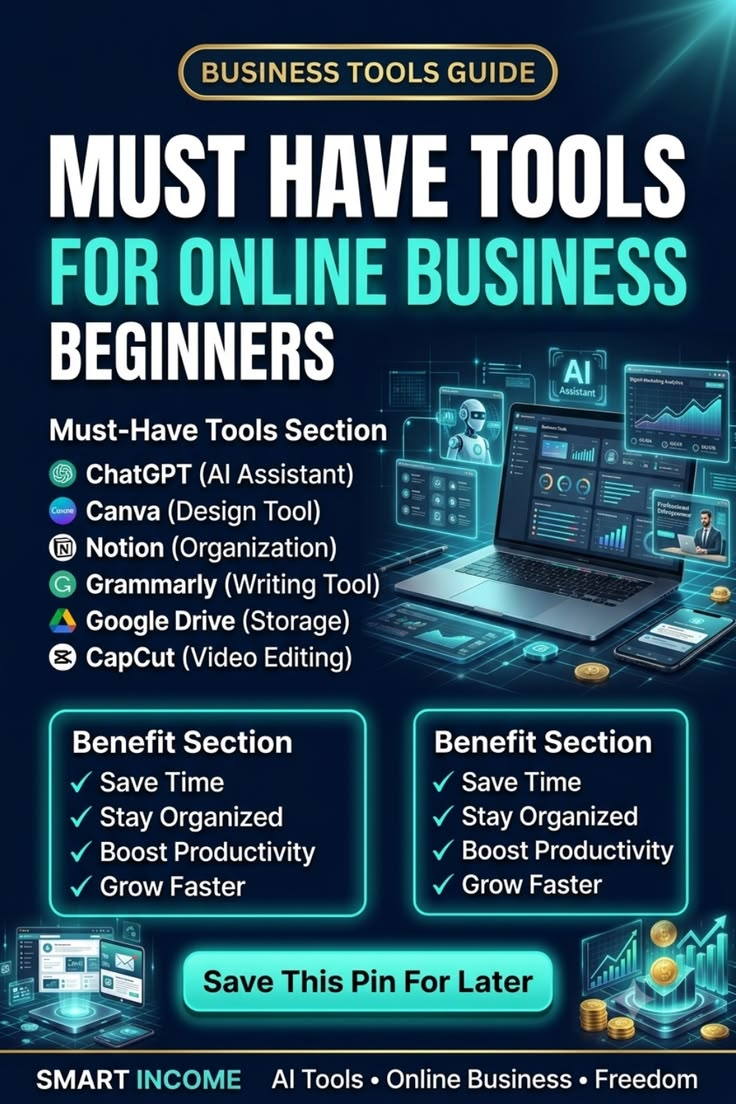
The internet offers countless resources that help people work faster, learn new skills, and complete daily tasks with ease. Choosing the Best Online Tools can save time, improve productivity, and simplify both personal and professional projects. Whether you are a student, freelancer, business owner, or office worker, the right tools can make a significant difference. From document editing and graphic design to project management and file sharing, online platforms provide practical solutions for almost every need. This guide explains everything you need to know before selecting the right tools for your goals.
What is Best Online Tools?
The term Best Online Tools refers to web-based applications that help users complete tasks without installing complex software. These tools work directly through a browser and often support multiple devices.
Popular categories include writing tools, graphic design platforms, cloud storage, video editing, project management, file conversion, and communication software. For example, a designer may use an online design platform, while a student may rely on grammar checking and note-taking tools. The best choice depends on your specific needs and workflow.
Why is Best Online Tools Important?
Online tools improve efficiency by reducing manual work and making collaboration easier. They allow users to access projects from different devices while keeping files secure in the cloud.
They are also cost-effective because many services offer free plans with essential features. Businesses benefit from better teamwork, while individuals enjoy greater convenience. As remote work and digital learning continue to grow, using the Best Online Tools has become an important part of everyday life.
Step-by-Step Guide
Step 1: Identify Your Needs
List the tasks you perform regularly, such as writing, editing images, managing projects, or organizing documents. This helps narrow your options.
Step 2: Compare Features
Review available features, pricing, storage limits, and compatibility. Select tools that solve your problems instead of offering unnecessary extras.
Step 3: Test Free Versions
Many platforms provide free plans or trial periods. Explore the interface and confirm that it fits your workflow before upgrading.
Step 4: Check Security
Choose services that protect user data through secure connections, regular updates, and reliable privacy policies.
Step 5: Organize Your Workflow
Integrate your selected tools into your daily routine. For example, combine cloud storage with task management software to keep projects organized and accessible.
Benefits
- Saves valuable time through automation.
- Improves collaboration among teams.
- Supports remote work and online learning.
- Reduces software installation requirements.
- Offers access from computers, tablets, and smartphones.
- Provides free or affordable pricing options.
- Keeps files synchronized across multiple devices.
- Helps users stay organized and productive with the Best Online Tools.
Risks or Disadvantages
- Some advanced features require paid subscriptions.
- Internet access is usually necessary.
- Data privacy varies between providers.
- Too many tools may reduce productivity.
- Learning new platforms may require extra time initially.
Common Mistakes to Avoid
Many users install several similar tools without understanding their actual requirements. This often creates confusion and unnecessary costs.
Another common mistake is ignoring security settings or failing to back up important files. Always review permissions before uploading sensitive information. Avoid selecting a tool only because it is popular. Instead, focus on usability, customer support, and long-term reliability. Regularly update your workflow to remove tools you no longer use, ensuring better efficiency and simpler management.
FAQs
1. Are online tools free to use?
Many offer free plans with optional premium upgrades.
2. Can beginners use online tools easily?
Yes. Most platforms include simple interfaces and helpful tutorials.
3. Are online tools secure?
Reputable providers use encryption and security measures, but users should create strong passwords.
4. Which categories are most useful?
Writing, design, cloud storage, communication, and project management remain among the most popular.
5. Can I access online tools on mobile devices?
Yes. Many services work through mobile browsers or dedicated apps.
Expert Tips
Start with only a few essential platforms instead of trying everything at once. Choose tools that integrate well with each other to reduce repetitive work.
Regularly review updates because many services introduce valuable new features over time. Read user reviews, compare pricing plans, and prioritize security before storing important documents. Using the Best Online Tools consistently is more effective than switching between multiple alternatives every week.
Conclusion
Selecting the Best Online Tools is not about finding the most popular platform but choosing solutions that match your goals and daily tasks. By understanding your needs, comparing features, and focusing on security, you can improve productivity without unnecessary complexity. Whether you are managing business projects, studying online, or handling personal responsibilities, the right web-based tools can simplify your workflow and save valuable time. Start with a few reliable options, build a consistent routine, and expand your toolkit only when your requirements grow.