
Introduction
Technology has made everyday tasks easier than ever, and many useful resources are available without any cost. Free Digital Tools help individuals, students, freelancers, and businesses complete tasks more efficiently while saving both time and money. Whether you need to organize projects, edit documents, create graphics, or manage files, there is likely a free solution available. Beginners often find these tools especially helpful because they are simple to use and require little technical knowledge. This guide explains what free digital tools are, why they matter, and how to choose the right ones for your needs.
What is Free Digital Tools?
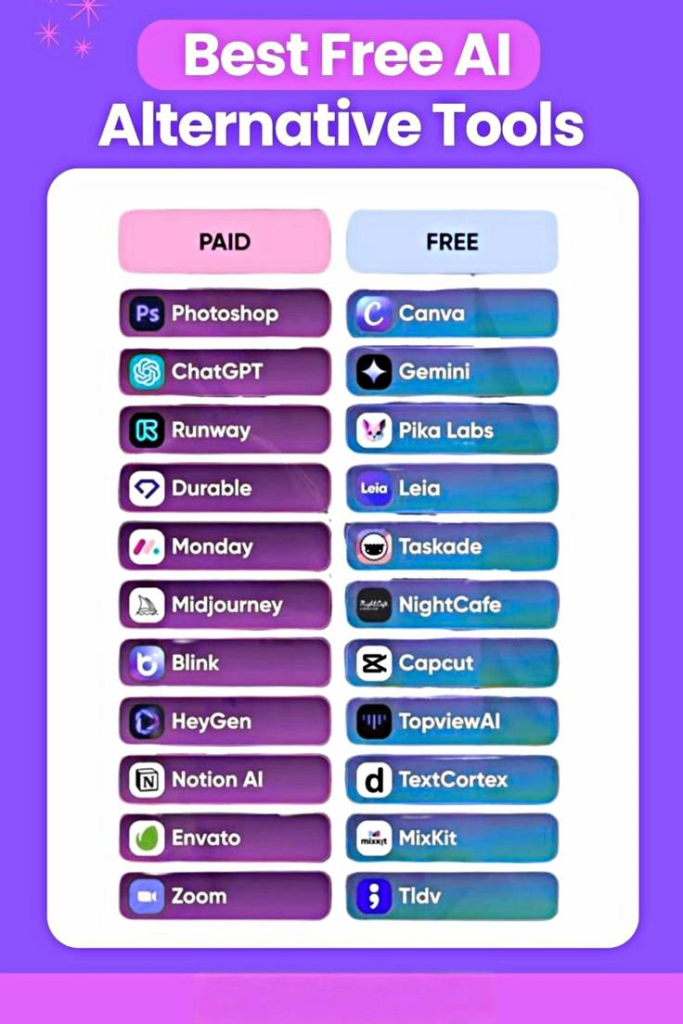
Free Digital Tools are online or offline software applications that allow users to perform various digital tasks without paying a subscription fee. They cover many categories, including productivity, graphic design, file management, writing, communication, and website optimization.
For example, a free document editor helps create reports, while a free image editor allows users to design social media graphics. Many platforms also offer cloud storage, note-taking, scheduling, and project management features that simplify daily work.
Why is Free Digital Tools Important?
Using Free Digital Tools helps users accomplish more while reducing expenses. They provide access to valuable features that improve productivity without requiring expensive software licenses.
These tools are important because they:
- Save money on software costs.
- Improve daily productivity.
- Support remote collaboration.
- Simplify learning new skills.
- Increase workflow efficiency.
Step-by-Step Guide
Step 1: Identify Your Needs
Determine what you want to accomplish. You may need tools for writing, graphic design, task management, website analysis, or file sharing.
Step 2: Compare Available Options
Review different tools based on their features, ease of use, storage limits, and compatibility with your devices.
Step 3: Test the Features
Use the free version before committing to any platform. Explore the dashboard and complete a few sample tasks to understand its capabilities.
Step 4: Organize Your Workflow
Choose a small collection of reliable tools instead of using many different applications. This keeps your workflow simple and efficient.
Step 5: Review and Update Regularly
As your needs grow, evaluate whether your current tools still meet your requirements or if better alternatives have become available.
Benefits
Using Free Digital Tools offers several practical advantages:
- Reduces software expenses.
- Improves productivity.
- Supports collaboration with teams.
- Makes learning easier for beginners.
- Simplifies document and file management.
- Saves valuable time on repetitive tasks.
- Encourages better organization.
- Provides flexible access across multiple devices.
Risks or Disadvantages
Although useful, free tools may have certain limitations:
- Limited storage or features.
- Advertisements within the application.
- Fewer customization options.
- Restrictions on advanced functions.
- Some platforms require internet access for full functionality.
Common Mistakes to Avoid
Many beginners download too many applications without considering their actual needs. This often creates confusion and reduces productivity instead of improving it.
Another common mistake is ignoring data backups. Even reliable tools can experience technical problems, so keeping important files stored safely is essential. Users should also read privacy settings carefully before uploading sensitive information and avoid relying on one tool for every task when specialized solutions may work better.
FAQs
1. What are Free Digital Tools?
They are software applications or online services that provide useful digital features without requiring payment.
2. Are free digital tools safe to use?
Most reputable tools are safe, but users should always review security settings and privacy policies.
3. Can businesses use free digital tools?
Yes. Many small businesses successfully use free tools for communication, project management, and document creation.
4. Do free tools have limitations?
Yes. Many free versions include storage limits, fewer features, or optional premium upgrades.
5. How do I choose the best free digital tool?
Select tools that match your goals, are easy to use, receive regular updates, and have positive user feedback.
Expert Tips
Begin with tools that solve your biggest daily challenges instead of installing everything available. Learn each application thoroughly before adding another one to your workflow.
Keep your files organized using clear folder structures and consistent naming conventions. Regularly review updates because many free tools introduce useful features over time. Finally, combine productivity, communication, and organization tools to build a balanced digital workspace that supports long-term efficiency and growth.
Conclusion
Choosing the right Free Digital Tools can make everyday work faster, simpler, and more organized without increasing your expenses. From document editing and project management to file sharing and creative design, these tools provide valuable support for beginners and experienced users alike. By selecting reliable platforms, learning their features, and using them consistently, you can improve productivity while maintaining an efficient workflow. Regular evaluation and thoughtful organization will help you gain the greatest value from free digital solutions and achieve your personal or professional goals with confidence.