
Introduction
A fast and reliable website creates a better experience for visitors and improves your chances of ranking higher in search results. Slow loading pages, broken elements, and technical issues can reduce traffic and lower user satisfaction. This is where Website Performance Tools become valuable. They help website owners measure speed, identify technical problems, and discover ways to improve overall performance. Whether you run a personal blog, business website, or online store, understanding how these tools work will help you create a smoother, faster, and more successful online presence.
What is Website Performance Tools?

Website Performance Tools are software applications or online services that evaluate how well a website performs. They analyze factors such as page loading speed, server response time, image optimization, mobile compatibility, Core Web Vitals, and overall website health.
For example, a performance testing tool can identify large images that slow loading times, while another tool may detect broken links or unnecessary scripts. These insights help website owners optimize their sites for visitors and search engines.
Why is Website Performance Tools Important?
Using Website Performance Tools helps maintain a fast, reliable, and user-friendly website. Faster websites improve visitor satisfaction and encourage users to stay longer and explore more pages.
These tools are important because they help:
- Improve page loading speed.
- Detect technical performance issues.
- Enhance user experience.
- Support better search engine visibility.
- Reduce website maintenance problems.
Step-by-Step Guide
Step 1: Test Your Website
Run a complete website performance scan to identify loading issues, large files, slow scripts, and other technical concerns.
Step 2: Review the Results
Carefully examine the performance report. Focus on important metrics such as page speed, mobile performance, and Core Web Vitals before making changes.
Step 3: Fix High-Priority Issues
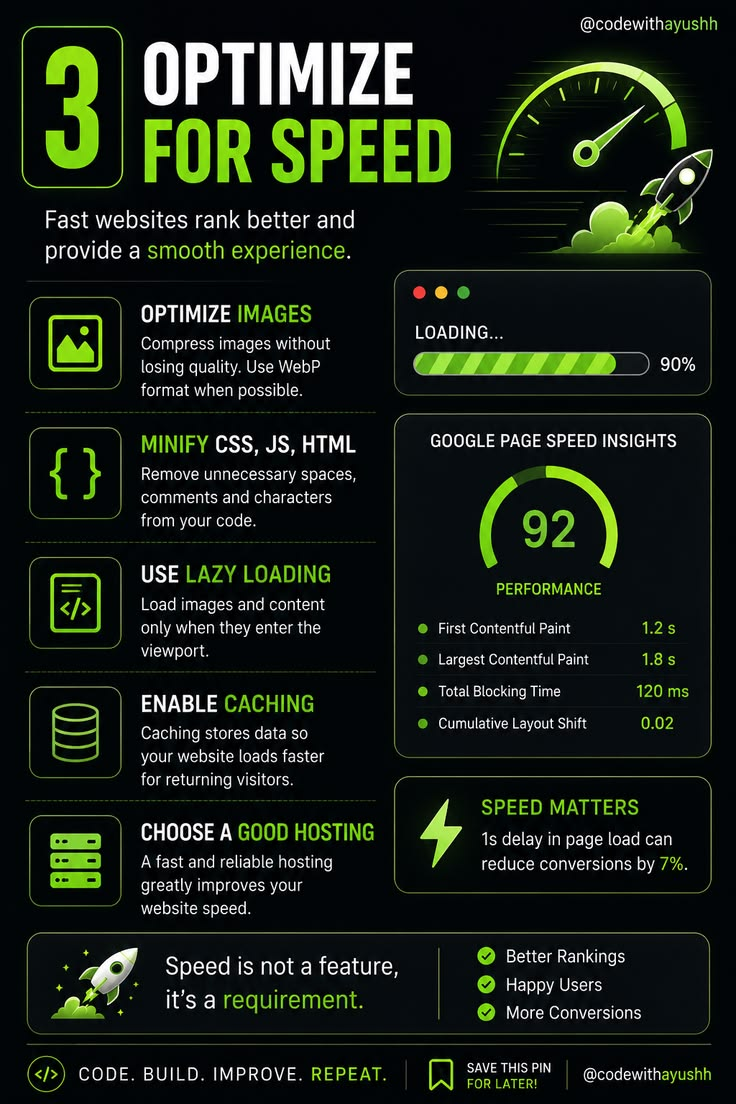
Optimize large images, remove unnecessary plugins, reduce unused code, and improve caching settings to increase loading speed.
Step 4: Retest After Improvements
After applying changes, run another performance test to compare results and confirm that your optimizations have improved website speed.
Step 5: Monitor Regularly
Website performance changes over time. Schedule regular testing to ensure updates, new content, and plugins do not reduce overall performance.
Benefits
Using Website Performance Tools provides several practical advantages:
- Improves page loading speed.
- Enhances user experience.
- Supports stronger SEO performance.
- Identifies technical issues quickly.
- Helps optimize mobile browsing.
- Reduces website bounce rates.
- Improves website reliability.
- Supports long-term website growth.
Risks or Disadvantages
Although these tools are helpful, users should understand their limitations:
- Free versions may include limited features.
- Reports may contain technical terminology.
- Different tools can produce different scores.
- Some recommendations require technical expertise.
- Constant testing without action provides little value.
Common Mistakes to Avoid
Many website owners focus only on achieving perfect performance scores instead of creating a better experience for visitors. While performance metrics are useful, real improvements should prioritize faster loading pages and smoother navigation.
Another common mistake is testing only once. Website performance changes whenever new content, themes, plugins, or scripts are added. Ignoring regular performance checks can allow problems to grow over time. Always verify improvements after making updates and avoid optimizing areas that have little impact on user experience.
FAQs
1. What are Website Performance Tools?
They are tools that measure website speed, technical performance, and overall user experience.
2. How often should I test my website?
Testing once a month or after significant updates helps maintain strong website performance.
3. Can performance tools improve SEO?
They identify issues that affect SEO, but website owners must implement the recommended improvements.
4. Are free performance tools useful?
Yes. Many free tools provide valuable insights for beginners and small website owners.
5. Why is page speed important?
Fast-loading websites improve visitor satisfaction, reduce bounce rates, and support better search engine rankings.
Expert Tips
Focus on solving major performance issues before worrying about minor recommendations. Large improvements often come from optimizing images, reducing unnecessary scripts, and improving server response times.
Monitor your website consistently rather than waiting until visitors report problems. Keep plugins, themes, and website software updated while removing unused resources that may slow performance. Combining technical optimization with quality content creates a website that performs well for both users and search engines over the long term.
Conclusion
Using Website Performance Tools is one of the simplest ways to build a faster, more reliable, and user-friendly website. These tools provide valuable insights into loading speed, technical health, and optimization opportunities that help improve both visitor satisfaction and search visibility. By testing your website regularly, fixing important issues, and monitoring changes over time, you can maintain strong performance and support long-term online growth. Consistent optimization ensures your website remains competitive, efficient, and capable of delivering an excellent experience for every visitor.