
Introduction
Future Technology Trends are transforming the way people live, work, communicate, and solve problems. New innovations continue to reshape industries, improve efficiency, and create exciting opportunities for businesses and individuals alike. Understanding these trends helps beginners prepare for upcoming changes while making smarter career and investment decisions. Whether you are a student, entrepreneur, or working professional, staying informed about emerging technologies provides a competitive advantage. This guide explains the basics, importance, practical steps, benefits, challenges, and expert advice for understanding Future Technology Trends effectively.
What is Future Technology Trends?
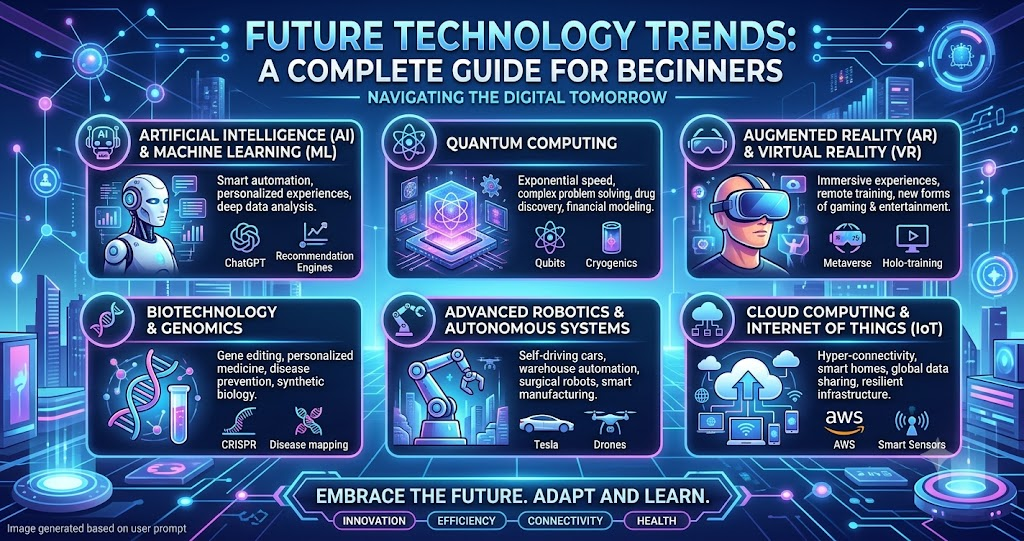
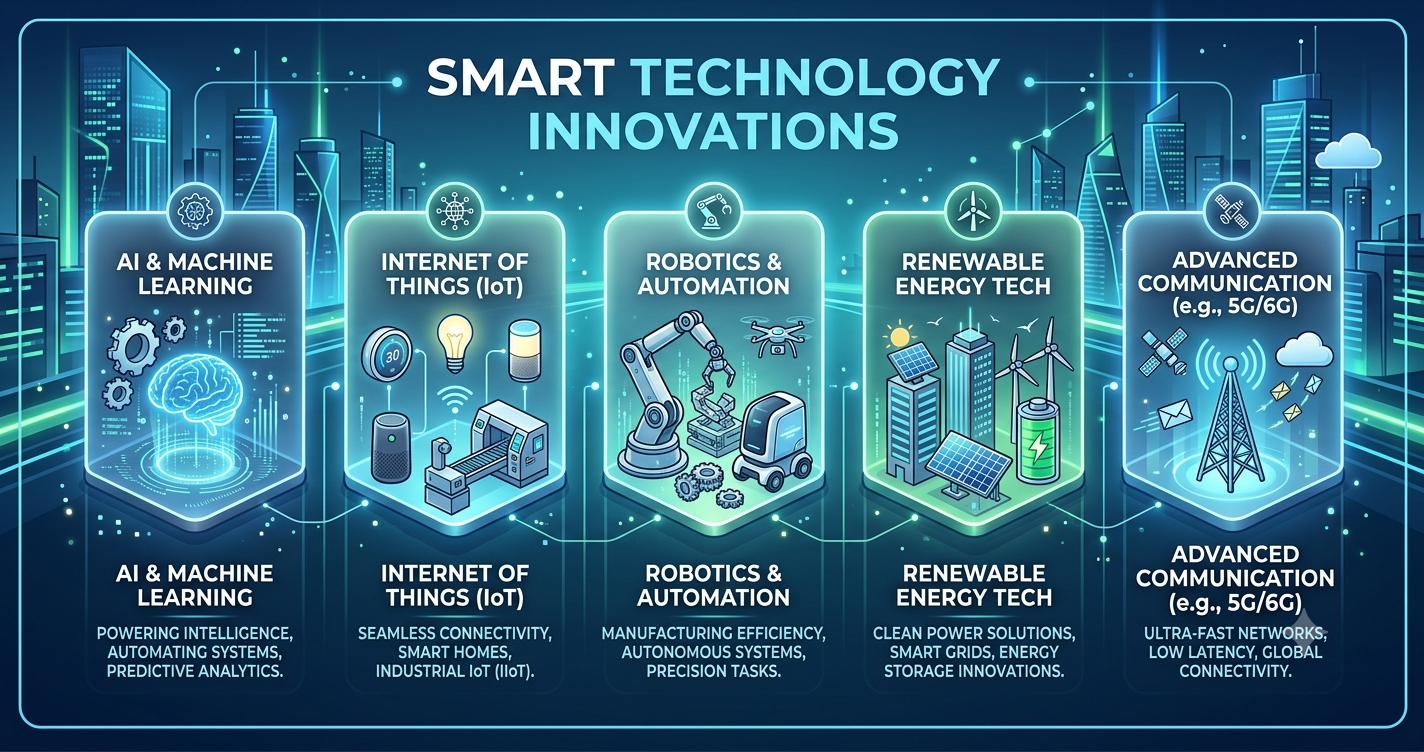
Future Technology Trends refer to the latest innovations and developments expected to influence society, businesses, and daily life over the coming years. These trends include automation, cloud computing, robotics, quantum computing, smart devices, virtual reality, blockchain, renewable energy technologies, and advanced cybersecurity solutions. As technology evolves, these innovations continue improving productivity, communication, healthcare, education, transportation, and entertainment while creating entirely new opportunities across different industries.
Why is Future Technology Trends Important?
Keeping up with Future Technology Trends allows individuals and businesses to adapt quickly to changing markets. Companies can improve efficiency, reduce operational costs, and deliver better customer experiences by adopting modern solutions. Students and professionals can build valuable skills that increase career opportunities. Governments also benefit through smarter infrastructure, digital public services, and improved security. Understanding these trends today prepares everyone for tomorrow’s increasingly connected world.
Step-by-Step Guide
Step 1: Learn the Fundamentals
Start by understanding basic technology concepts before exploring advanced innovations. Strong fundamentals make future learning easier.
Step 2: Follow Industry Developments
Read trusted technology news, attend webinars, and monitor product launches to stay updated with emerging innovations.
Step 3: Practice with Real Tools
Explore beginner-friendly software, cloud platforms, and digital applications to gain practical experience through hands-on learning.
Step 4: Build Relevant Skills
Develop technical and problem-solving abilities through online courses, certifications, and personal projects related to modern technologies.
Step 5: Evaluate New Opportunities
Regularly assess how emerging technologies can improve your education, career, business, or everyday activities before adopting them.
Benefits
- Improves productivity through smarter digital solutions.
- Creates new career opportunities across industries.
- Supports innovation and business growth.
- Enhances healthcare, education, and communication.
- Encourages continuous learning and adaptability.
- Improves customer experiences with personalized services.
- Helps organizations remain competitive in changing markets.
Risks or Disadvantages
- High implementation and maintenance costs.
- Privacy and cybersecurity concerns.
- Rapid technological changes require continuous learning.
- Job roles may evolve due to automation.
- Some technologies need significant infrastructure investments.
Common Mistakes to Avoid
Many beginners believe every new technology should be adopted immediately. Instead, evaluate whether it solves a real problem before investing time or money. Ignoring cybersecurity and privacy considerations can also create unnecessary risks. Another common mistake is focusing only on trends without building practical skills. Finally, avoid relying on predictions alone; combine research with real-world experience to make informed decisions.
FAQs
What are Future Technology Trends?
They are emerging innovations expected to shape industries, businesses, and everyday life in the coming years.
Who should learn about these trends?
Students, professionals, entrepreneurs, and business owners can all benefit from understanding emerging technologies.
Do I need technical knowledge to start?
No. Beginners can start with basic concepts and gradually develop more advanced skills over time.
How often do technology trends change?
New developments appear regularly, making continuous learning important for staying updated.
Expert Tips
Focus on learning one technology at a time instead of trying to master everything simultaneously. Combine theoretical knowledge with practical projects to strengthen your understanding. Follow trusted industry publications and participate in online communities to exchange ideas with other learners. Develop problem-solving, communication, and adaptability alongside technical skills because employers value balanced abilities. Review your learning goals every few months and update your knowledge as technology continues evolving across industries.
Conclusion
Future Technology Trends will continue influencing every aspect of modern life, from education and healthcare to business and communication. Understanding these developments helps individuals make informed decisions, improve career prospects, and adapt confidently to technological change. Begin by learning the fundamentals, practicing with real tools, and following trusted industry updates. With continuous learning, practical experience, and a willingness to adapt, anyone can benefit from future innovations and remain prepared for the exciting opportunities that tomorrow’s technology will bring.