
Introduction
Running a successful website requires more than publishing quality content. You also need to understand how your website performs, where visitors come from, and what improvements can increase traffic and user satisfaction. This Website Analysis Tools guide is designed for beginners and intermediate users who want to measure website performance effectively. By using the right analytics and monitoring solutions, you can identify technical issues, improve search visibility, and create a better experience for visitors while making informed decisions based on accurate data.
What are Website Analysis Tools?
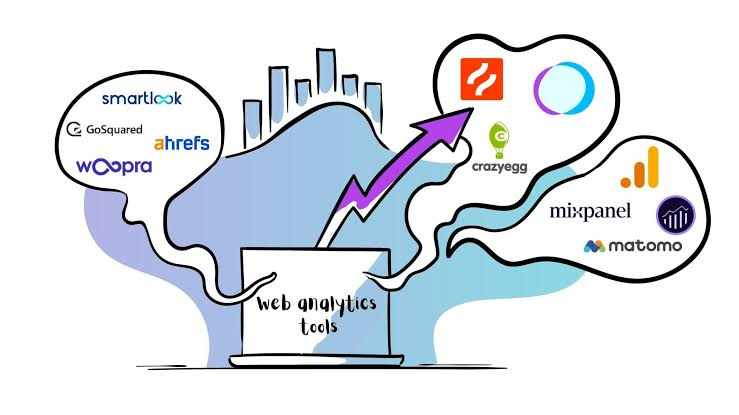
Website Analysis Tools are software applications and online platforms that evaluate different aspects of a website, including page speed, search engine optimization, traffic, user behavior, mobile compatibility, and technical performance. They collect valuable data that helps website owners identify strengths and weaknesses.
For example, a website performance checker may reveal slow-loading pages, while an SEO auditing tool identifies missing meta descriptions, broken links, or duplicate content.
Why are Website Analysis Tools Important?
Using Website Analysis Tools allows website owners to improve performance through informed decisions rather than guesswork. These tools help optimize loading speed, identify technical errors, monitor visitor behavior, and measure marketing effectiveness.
Better analysis leads to improved user experience, higher search engine rankings, increased visitor engagement, and stronger business growth over time.
Step-by-Step Guide
1. Define Your Goals
Identify whether your focus is SEO, website speed, visitor behavior, conversions, or technical performance before selecting an analysis tool.
2. Choose the Right Tool
Select reliable tools that match your objectives and provide detailed reports with clear recommendations.
3. Run a Complete Website Scan
Analyze all important pages to identify broken links, loading issues, mobile usability concerns, and SEO opportunities.
4. Review Performance Reports
Study key metrics such as page speed, bounce rate, organic traffic, and indexing status to understand website health.
5. Fix Identified Problems
Correct technical errors, optimize images, improve page content, and resolve broken links to enhance overall performance.
6. Monitor Progress Regularly
Repeat website analysis consistently to measure improvements and identify new opportunities for optimization.
Benefits
Using Website Analysis Tools provides several important advantages:
- Improves website speed and performance.
- Identifies SEO opportunities.
- Enhances user experience.
- Detects technical problems quickly.
- Supports better marketing decisions.
- Increases search engine visibility.
Risks or Disadvantages
Although these tools provide valuable insights, users should understand a few limitations:
- Premium platforms may require subscriptions.
- Beginners may find detailed reports difficult to understand.
- Incorrect interpretation of data can lead to poor decisions.
- Focusing only on metrics may overlook content quality.
Common Mistakes to Avoid
Many website owners analyze their websites only once instead of monitoring performance regularly. Another mistake is ignoring mobile optimization even though many users browse from smartphones and tablets. Some people also focus only on traffic numbers while overlooking conversion rates and visitor engagement.
Failing to fix identified technical issues reduces the value of any report. Applying insights from Website Analysis Tools consistently produces better long-term website performance and measurable improvements.
FAQs
What are website analysis tools?
They are applications that evaluate website performance, SEO, speed, user behavior, and technical health.
Can beginners use website analysis tools?
Yes. Many platforms offer simple dashboards and easy-to-understand recommendations.
How often should I analyze my website?
Monthly reviews are recommended, with additional checks after major updates or redesigns.
Do website analysis tools improve SEO?
They identify optimization opportunities that help improve search engine visibility.
Are free website analysis tools useful?
Yes. Many free solutions provide valuable insights, although premium versions often include advanced reporting.
Expert Tips
Track the same performance metrics over time instead of focusing on isolated reports. Prioritize fixing high-impact issues such as slow loading pages, broken links, and mobile usability problems before making smaller improvements. Keep website content updated and review technical performance after significant changes. Using Website Analysis Tools consistently helps maintain a healthy website, improve search visibility, and deliver a better experience for every visitor.
Conclusion
Website success depends on continuous improvement rather than one-time optimization. By using reliable analysis tools, monitoring key performance metrics, fixing technical issues, and reviewing results regularly, you can create a faster, more user-friendly website that performs better in search engines. This Website Analysis Tools guide provides practical strategies suitable for beginners and intermediate users alike. Make website analysis part of your regular maintenance routine, stay informed through performance reports, and continue improving your site to achieve stronger visibility, increased traffic, and lasting online success.