
Introduction
Search engine optimization helps websites attract more visitors through organic search results. However, understanding SEO can seem overwhelming without the right resources. This SEO Tools for Beginners guide is designed for new website owners, bloggers, and small business owners who want to improve their search visibility. Modern SEO tools simplify keyword research, website audits, backlink analysis, and performance tracking, making optimization easier than ever. By learning how to use these tools effectively, you can build a stronger online presence and make smarter decisions for long-term website growth.
What are SEO Tools for Beginners?
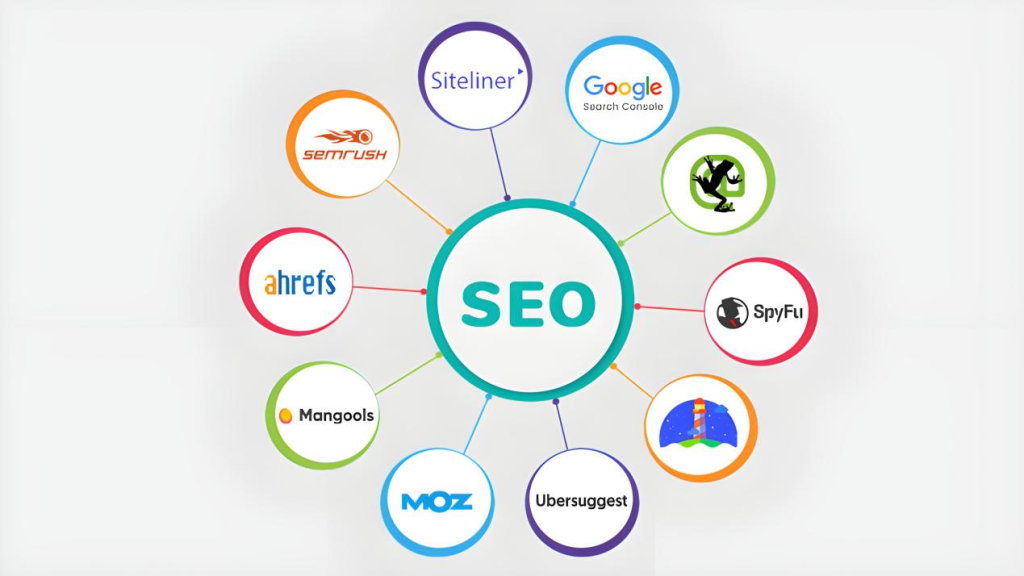
SEO Tools for Beginners are software applications and online platforms that help users optimize websites for search engines. They provide useful insights into keyword opportunities, website performance, technical SEO, backlinks, and content optimization.
For example, a keyword research tool can identify search terms with high traffic potential, while an SEO audit tool highlights technical issues that may affect rankings.
Why are SEO Tools for Beginners Important?
Using SEO Tools for Beginners helps website owners understand how search engines evaluate websites. These tools make it easier to discover valuable keywords, improve content quality, fix technical problems, and monitor ranking performance.
They also reduce guesswork by providing accurate data, allowing users to make informed optimization decisions that support sustainable traffic growth.
Step-by-Step Guide
1. Choose the Right SEO Tool
Select a beginner-friendly platform with features such as keyword research, website audits, and performance tracking.
2. Research Relevant Keywords
Identify keywords that match your audience’s search intent and include them naturally within your content.
3. Analyze Your Website
Run a complete SEO audit to identify broken links, duplicate content, slow-loading pages, and missing metadata.
4. Optimize Your Content
Improve headings, meta descriptions, image alt text, and internal links while maintaining high-quality, readable content.
5. Track Performance
Monitor keyword rankings, organic traffic, and user engagement regularly to measure progress.
6. Continue Improving
Review reports consistently and apply recommended improvements to strengthen long-term SEO performance.
Benefits
Using SEO Tools for Beginners offers several valuable advantages:
- Improves keyword research accuracy.
- Enhances website performance.
- Identifies technical SEO issues.
- Supports better content optimization.
- Increases organic search visibility.
- Helps monitor website growth effectively.
Risks or Disadvantages
Although SEO tools are highly useful, users should understand a few challenges:
- Advanced platforms may require paid subscriptions.
- Beginners can feel overwhelmed by detailed reports.
- Incorrect interpretation of data may lead to poor optimization decisions.
- Results often require patience because SEO improvements take time.
Common Mistakes to Avoid
Many beginners focus only on keyword placement while ignoring content quality and user experience. Another mistake is expecting immediate ranking improvements after making small website changes. SEO is a long-term process that requires continuous monitoring and refinement.
Ignoring technical issues such as broken links, duplicate pages, and slow loading speeds can also limit performance. Applying recommendations from SEO Tools for Beginners consistently delivers stronger and more sustainable results.
FAQs
What are SEO tools used for?
They help improve website optimization through keyword research, technical analysis, and performance tracking.
Are SEO tools suitable for beginners?
Yes. Many platforms provide simple dashboards and easy-to-understand recommendations.
Do I need paid SEO tools?
Free tools are useful for learning, while premium versions usually offer more advanced features.
How often should I perform an SEO audit?
Monthly audits are recommended, with additional checks after major website updates.
Can SEO tools guarantee higher rankings?
No. They provide valuable insights, but quality content and consistent optimization remain essential.
Expert Tips
Start with one or two reliable tools instead of using many platforms at once. Focus on understanding keyword intent rather than chasing high search volumes alone. Monitor website performance regularly and prioritize fixing technical issues before making advanced optimizations. Keep learning about search engine best practices because SEO continues to evolve. Using SEO Tools for Beginners consistently will improve your knowledge, strengthen your website, and support long-term search visibility.
Conclusion
Learning SEO becomes much easier with the right tools and a consistent optimization strategy. By selecting beginner-friendly platforms, researching relevant keywords, analyzing website performance, and improving technical SEO, you can build a stronger online presence over time. This SEO Tools for Beginners guide provides practical advice that anyone can follow without advanced technical knowledge. Stay patient, monitor your progress regularly, and continue refining your website to increase organic traffic, improve user experience, and achieve lasting success in search engine results.