
Introduction
Technology has made it easier than ever to complete everyday tasks, collaborate with others, and stay organized without purchasing expensive software. This Free Digital Tools guide is designed for beginners and intermediate users who want to improve productivity while keeping costs low. Whether you are a student, freelancer, entrepreneur, or remote worker, free online solutions can simplify daily activities and support efficient workflows. By choosing the right tools and using them effectively, you can save time, improve organization, and accomplish more with fewer resources.
What are Free Digital Tools?

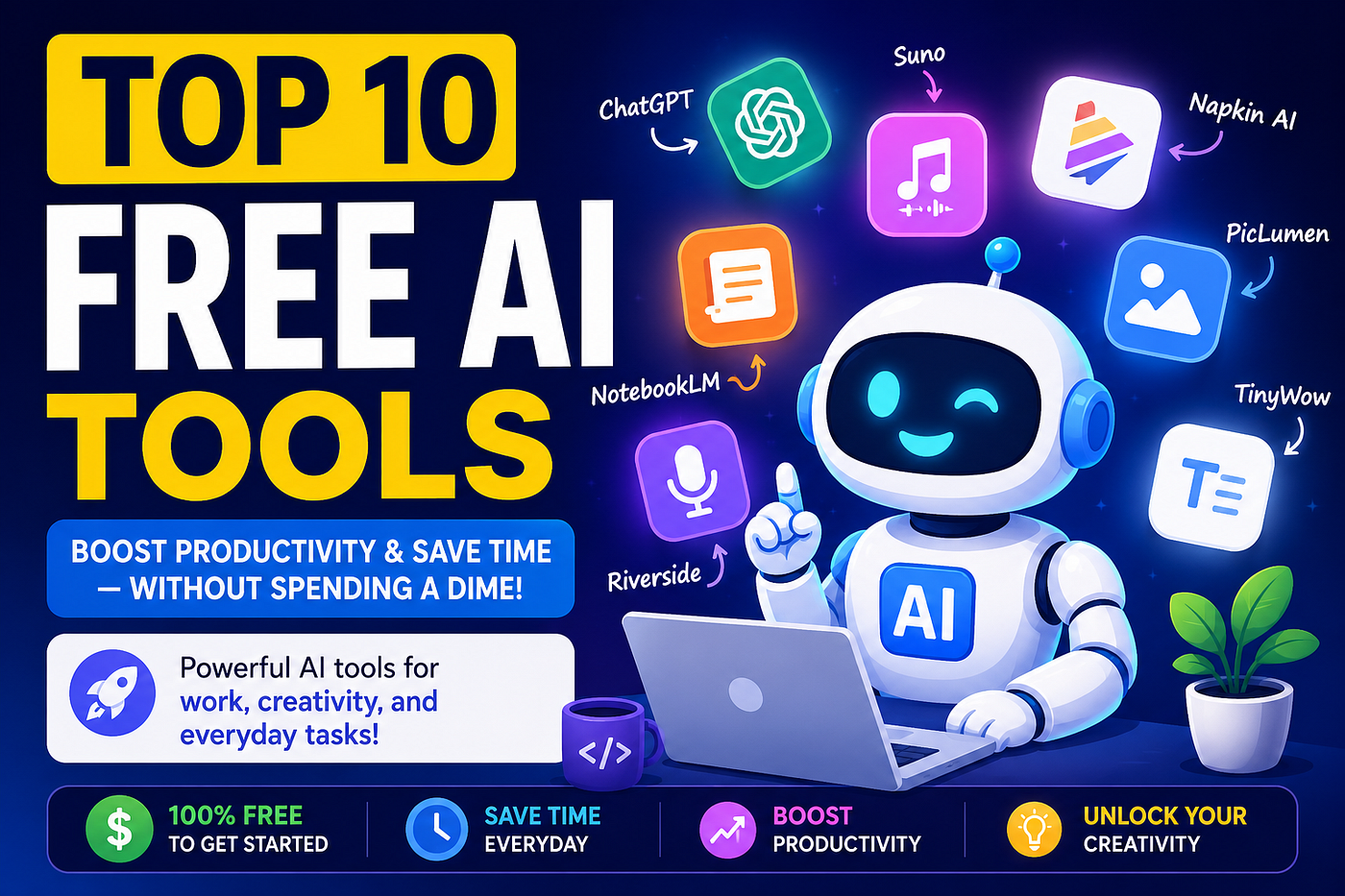
Free Digital Tools are software applications and web-based services that users can access without paying subscription fees. These tools support a wide range of activities, including document creation, cloud storage, communication, graphic design, project management, note-taking, and file sharing.
For example, free cloud storage allows users to save and access files from multiple devices, while free task management tools help organize projects and daily responsibilities.
Why are Free Digital Tools Important?
Using Free Digital Tools allows individuals and businesses to complete important tasks without large financial investments. They make technology accessible to students, startups, freelancers, and nonprofit organizations.
These tools also encourage collaboration, improve productivity, simplify communication, and help users manage projects more efficiently while remaining within budget.
Step-by-Step Guide
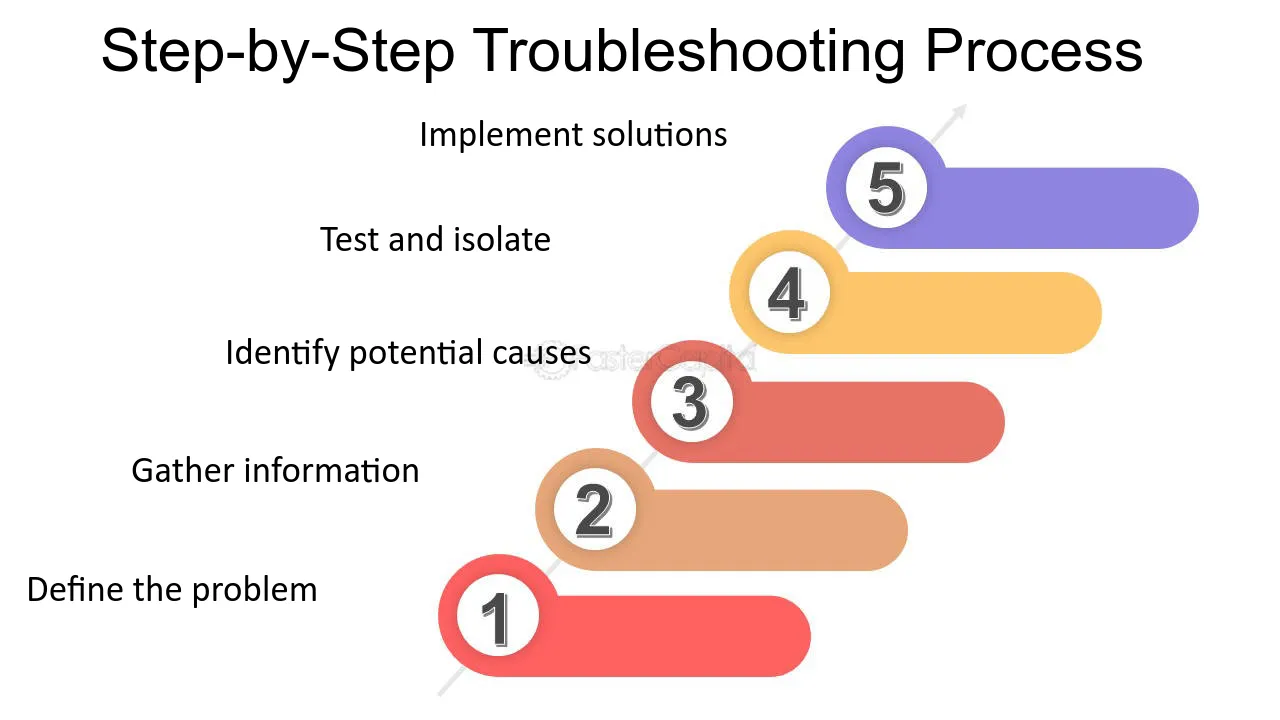
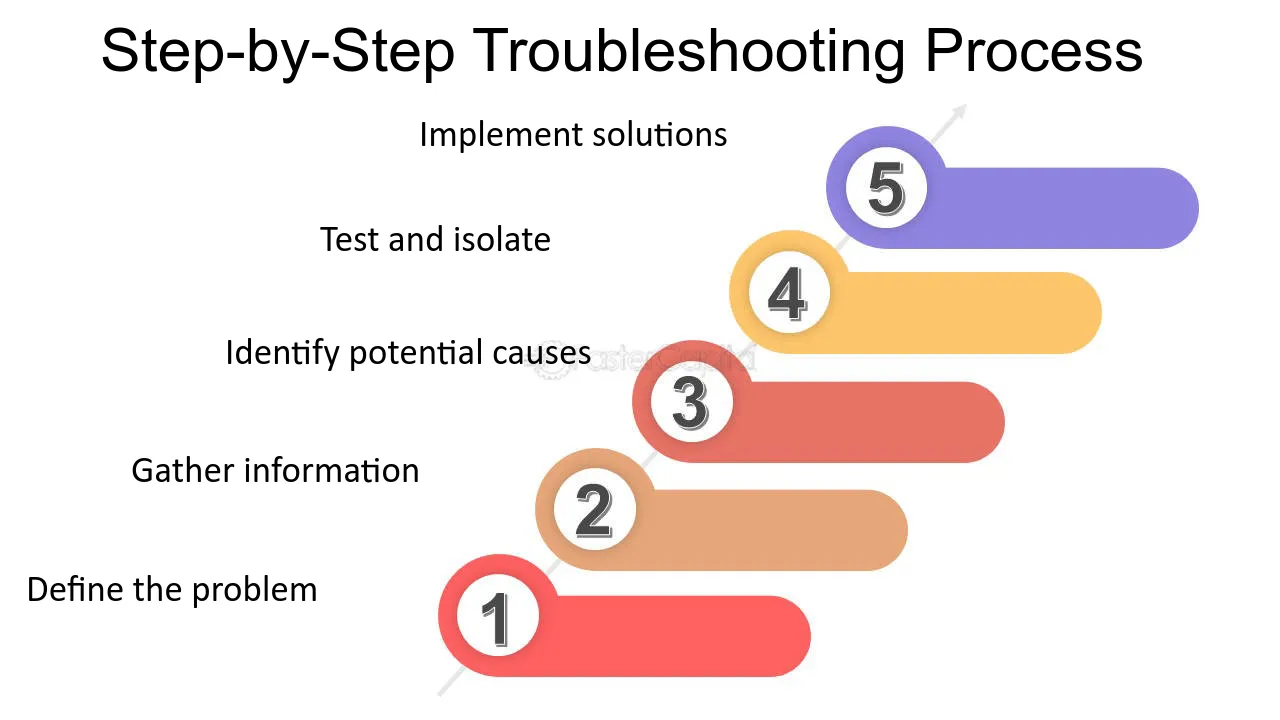
1. Identify Your Requirements
Decide whether you need tools for writing, communication, design, storage, scheduling, or project management.
2. Compare Available Features
Review storage limits, collaboration options, security features, and ease of use before selecting a platform.
3. Test Multiple Options
Try different free tools to determine which best supports your personal or professional workflow.
4. Organize Your Workspace
Keep related files, projects, and applications organized to improve productivity and reduce distractions.
5. Protect Your Accounts
Use strong passwords and enable multi-factor authentication whenever available to improve account security.
6. Review Your Workflow
Regularly evaluate your digital tools and replace those that no longer meet your needs.
Benefits
Using Free Digital Tools provides several important advantages:
- Reduces software expenses.
- Improves productivity and organization.
- Supports collaboration across different locations.
- Offers flexible access from multiple devices.
- Helps students and small businesses manage projects.
- Encourages efficient digital workflows.
Risks or Disadvantages
Although free tools provide excellent value, users should consider a few limitations:
- Free plans may include storage or feature restrictions.
- Some platforms display advertisements.
- Premium features may require future upgrades.
- Limited customer support may be available.
Common Mistakes to Avoid
Many users install too many applications without identifying their actual needs. This creates unnecessary complexity and reduces efficiency. Another mistake is ignoring security settings or failing to organize digital files properly.
Some people rely entirely on free plans without reviewing storage limitations or backup options. Choosing only the Free Digital Tools that support your workflow and reviewing them regularly helps maintain productivity and avoid unnecessary confusion.
FAQs
What are free digital tools?
They are software applications and online services available without subscription fees for personal or professional use.
Can businesses use free digital tools?
Yes. Many small businesses successfully use free solutions for communication, collaboration, and project management.
Are free digital tools secure?
Most reputable platforms provide strong security, but users should also follow safe password practices.
Can free tools improve productivity?
Yes. They simplify organization, collaboration, scheduling, and document management.
Should I upgrade to premium versions?
Upgrade only if your growing needs require additional storage, advanced features, or dedicated support.
Expert Tips
Choose reliable platforms with strong reputations and active development. Keep your digital workspace organized by removing applications you no longer use. Back up important files regularly and enable automatic updates whenever possible. Learn built-in shortcuts and automation features to save additional time during daily work. Using Free Digital Tools consistently and efficiently will improve organization, reduce costs, and help you achieve better results in both personal and professional projects.
Conclusion
Free digital solutions make technology more accessible for everyone, regardless of budget or technical experience. By selecting the right applications, organizing your workflow, protecting your accounts, and reviewing your tools regularly, you can improve productivity without unnecessary expenses. This Free Digital Tools guide offers practical advice that beginners and intermediate users can apply immediately. Continue exploring useful digital resources, focus on tools that genuinely support your goals, and build an efficient workflow that helps you save time, stay organized, and succeed in today’s digital environment.