
Introduction
Computers and applications are part of daily life, but technical issues can interrupt work, learning, and entertainment. Understanding Software Problem Solutions helps users identify errors, reduce downtime, and improve overall system performance. Whether a program crashes, runs slowly, or refuses to open, a structured approach often solves the issue quickly. This guide explains the basics, highlights common causes, and provides simple methods that beginners and intermediate users can confidently follow to troubleshoot software problems while keeping their devices secure and efficient.
What is Software Problem Solutions?
Software Problem Solutions refers to the methods and techniques used to identify, troubleshoot, and fix issues affecting software applications or operating systems. These problems may include installation failures, crashes, slow performance, compatibility errors, update issues, or unexpected messages.
Examples include reinstalling a damaged application, updating outdated drivers, clearing temporary files, or correcting configuration settings. Learning these methods improves productivity and reduces frustration.
Why is Software Problem Solutions Important?
Reliable Software Problem Solutions keep devices running smoothly and protect valuable data. Businesses, students, and home users all benefit from solving issues quickly instead of allowing small problems to become major failures.
Proper troubleshooting also improves software stability, reduces unnecessary expenses, and increases confidence when handling technical challenges independently.
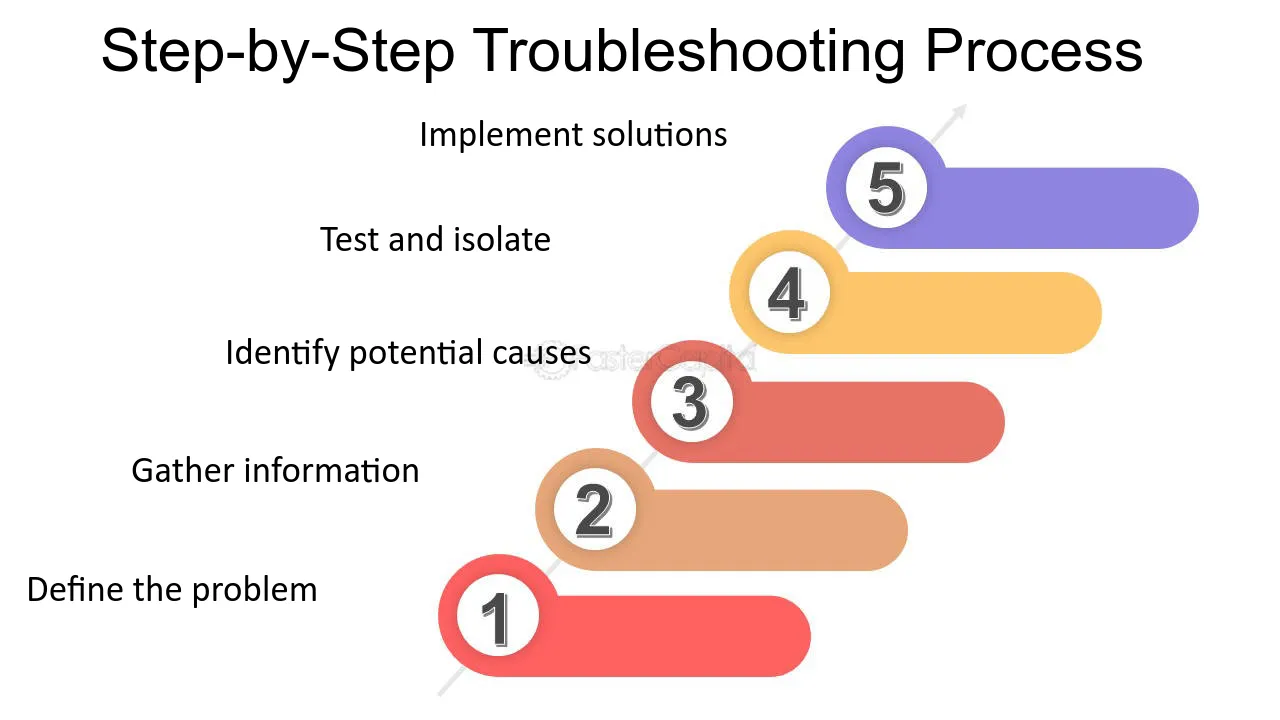
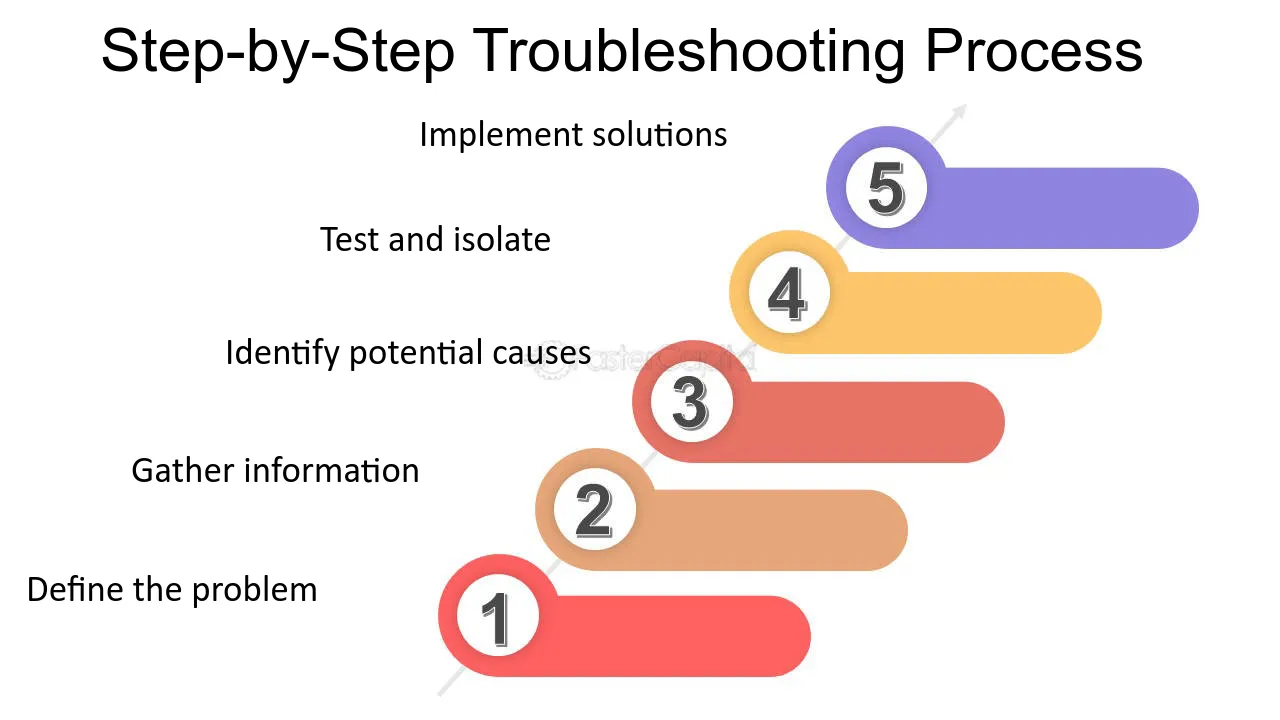
Step-by-Step Guide
1. Identify the Problem
Carefully observe the symptoms. Note any error messages, unusual behavior, or recent changes before the issue appeared.
2. Restart the Device
A simple restart clears temporary glitches and refreshes system resources. Many common software issues disappear after restarting.
3. Update the Software
Install the latest updates because developers frequently release fixes for bugs, security vulnerabilities, and compatibility problems.
4. Check System Requirements
Verify that your computer meets the minimum hardware and operating system requirements before installing or running software.
5. Scan for Malware
Malicious programs can damage applications or slow system performance. Run a trusted security scan to remove threats safely.
6. Reinstall the Application
If problems continue, uninstall and reinstall the software. This replaces damaged files and restores default settings.
7. Seek Technical Support
When basic troubleshooting fails, contact the software provider or consult official documentation for additional guidance.
Benefits
- Reduces downtime and interruptions.
- Improves system stability and reliability.
- Protects important files and information.
- Saves money on unnecessary repairs.
- Increases confidence in troubleshooting.
- Extends the lifespan of software installations.
Risks or Disadvantages
- Incorrect changes may create additional problems.
- Unverified downloads can introduce security threats.
- Data loss may occur without proper backups.
- Complex issues sometimes require professional assistance.
- Frequent reinstallations consume valuable time.
Common Mistakes to Avoid
Many users ignore updates, skip backups, or download software from unreliable sources. Another mistake is changing multiple settings simultaneously, making the original problem harder to identify. Avoid deleting important system files without understanding their purpose. Reading error messages carefully instead of dismissing them often provides useful clues. Following organized troubleshooting steps produces better results than guessing random fixes.
FAQs
Q1: What causes most software problems?
Outdated software, corrupted files, malware, and incompatible settings are common causes.
Q2: Can restarting really solve software issues?
Yes. Restarting clears temporary errors and refreshes system processes.
Q3: Is reinstalling software always necessary?
No. Reinstallation should be used only after simpler troubleshooting methods fail.
Q4: Should I back up my files first?
Yes. Creating backups protects important data before making significant changes.
Q5: How often should software be updated?
Install updates regularly to improve security, performance, and compatibility.
Expert Tips
Always create restore points before major software changes. Keep operating systems and applications updated automatically whenever possible. Use licensed software to receive reliable updates and security patches. Maintain regular backups using external drives or cloud storage. Document recurring problems to identify patterns more easily. Applying these Software Problem Solutions consistently reduces future issues and keeps systems dependable for everyday use.
Conclusion
Learning Software Problem Solutions is a valuable skill for anyone using computers or digital devices. A calm, step-by-step approach makes troubleshooting easier and prevents unnecessary stress. By identifying problems accurately, applying proven solutions, maintaining updates, and creating regular backups, users can improve performance and reduce unexpected failures. Consistent maintenance, safe downloading habits, and careful troubleshooting help software remain reliable for work, education, and personal tasks. With patience and practice, resolving common software issues becomes faster, simpler, and far more effective.