
Introduction
A fast and reliable website creates a better experience for visitors and improves search engine visibility. Slow-loading pages can increase bounce rates, reduce conversions, and negatively affect user satisfaction. This Website Performance Tools guide is designed for beginners and intermediate readers who want to understand how to measure and improve website speed and overall performance. By using the right tools and following proven optimization techniques, you can identify performance issues, enhance user experience, and keep your website running efficiently across different devices and browsers.
What are Website Performance Tools?
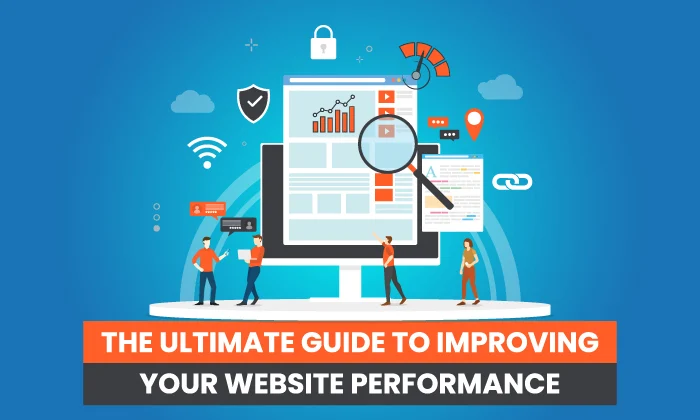
Website Performance Tools are applications and online services that analyze how well a website performs. They measure important metrics such as page loading speed, server response time, Core Web Vitals, mobile responsiveness, image optimization, and overall technical health.
For example, a performance testing tool can identify slow-loading pages, oversized images, or unnecessary scripts that reduce website efficiency. These insights help website owners make informed improvements.
Why are Website Performance Tools Important?
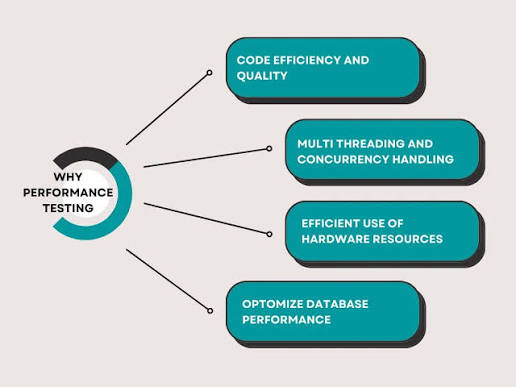
Using Website Performance Tools helps website owners improve loading speed, enhance user experience, and strengthen search engine optimization. Visitors expect websites to load quickly, and even small delays may reduce engagement or sales.
Regular performance monitoring also helps identify technical issues before they become major problems, improving website reliability and long-term growth.
Step-by-Step Guide
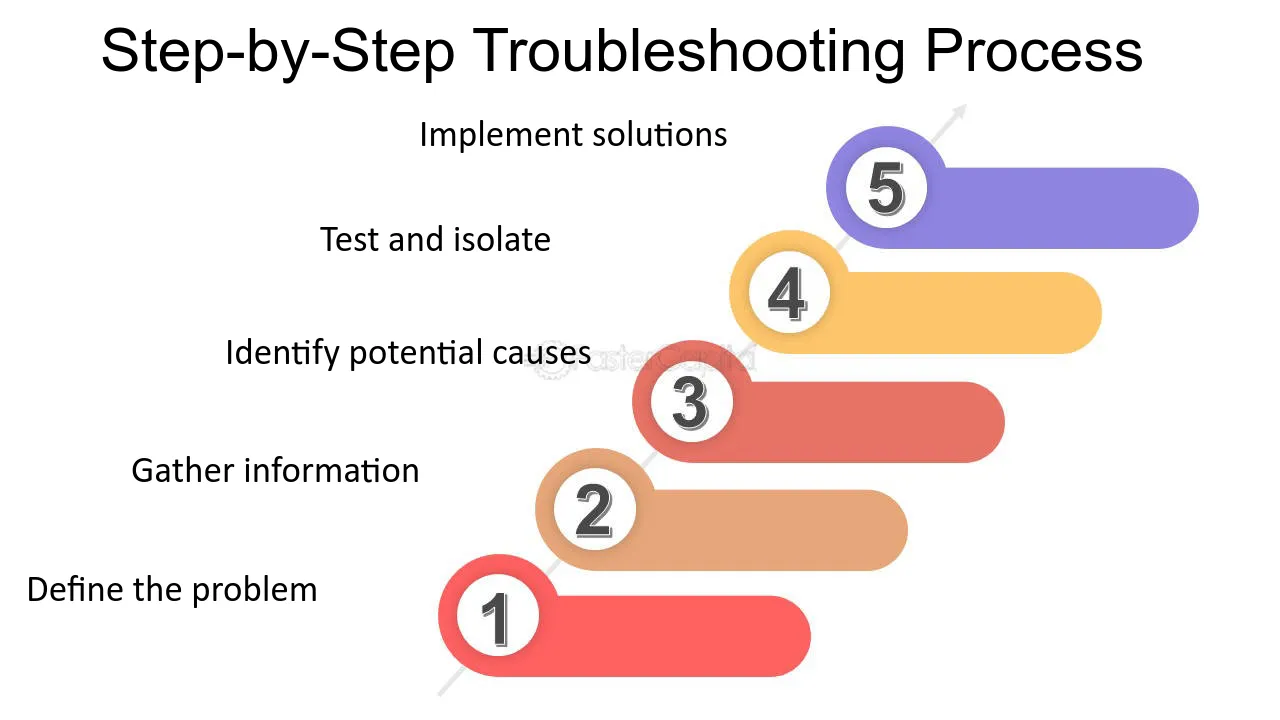
1. Test Your Website
Run a complete performance scan to measure loading speed, mobile usability, and technical health.
2. Review Performance Reports
Analyze important metrics such as page speed, server response time, image sizes, and Core Web Vitals.
3. Optimize Images
Compress large images and use appropriate file formats to reduce loading times without sacrificing quality.
4. Minimize Unnecessary Code
Remove unused scripts, reduce large CSS and JavaScript files, and simplify website resources.
5. Improve Hosting Performance
Choose reliable hosting that provides consistent speed, uptime, and sufficient server resources.
6. Monitor Regularly
Repeat performance testing after updates to ensure improvements continue delivering positive results.
Benefits
Using Website Performance Tools provides several valuable advantages:
- Improves page loading speed.
- Enhances user experience.
- Supports better search engine rankings.
- Identifies technical performance issues.
- Increases visitor engagement.
- Helps improve website reliability.
Risks or Disadvantages
Although these tools provide valuable insights, users should consider a few limitations:
- Advanced platforms may require paid subscriptions.
- Beginners may find technical reports difficult to understand.
- Over-optimizing can occasionally affect website functionality.
- Performance improvements may require ongoing maintenance.
Common Mistakes to Avoid
Many website owners perform a single speed test and assume their work is complete. Website performance should be monitored regularly because updates, plugins, and new content can introduce fresh issues. Another mistake is ignoring mobile optimization even though many users browse on smartphones.
Large images, excessive plugins, and outdated software also reduce website speed. Following recommendations from Website Performance Tools consistently helps maintain excellent performance and avoid these common problems.
FAQs
What are website performance tools?
They are applications that analyze website speed, technical performance, and user experience.
Why is website speed important?
Fast websites improve visitor satisfaction, engagement, conversions, and search engine visibility.
How often should I test my website?
Monthly testing is recommended, with additional checks after significant updates.
Can performance tools improve SEO?
They identify optimization opportunities that support better search engine rankings.
Are free website performance tools useful?
Yes. Many free tools provide valuable insights, while premium options include more advanced analysis.
Expert Tips
Monitor your website regularly instead of waiting for visitors to report performance issues. Prioritize improvements that have the greatest impact, including image optimization, faster hosting, browser caching, and reducing unnecessary scripts. Keep plugins updated and remove outdated components that slow website performance. Applying Website Performance Tools consistently will help maintain a fast, reliable website that delivers an excellent experience for every visitor.
Conclusion
Website speed and performance play a critical role in online success. By testing your website regularly, reviewing important metrics, optimizing images, improving hosting, and fixing technical issues, you can create a faster and more user-friendly experience. This Website Performance Tools guide provides practical advice that beginners and intermediate users can apply immediately. Continue monitoring your website as it grows, focus on meaningful performance improvements, and make optimization an ongoing process to achieve stronger search visibility, increased visitor satisfaction, and long-term digital success.