
Introduction
Computers are essential for work, education, communication, and entertainment, but occasional technical issues are unavoidable. This Computer Troubleshooting Tips guide is designed for beginners and intermediate users who want to solve common computer problems quickly and confidently. Whether your computer runs slowly, freezes unexpectedly, fails to connect to the internet, or displays software errors, understanding basic troubleshooting techniques can save time and reduce repair costs. By following simple maintenance habits and practical solutions, you can improve system performance and enjoy a more reliable computing experience every day.
What are Computer Troubleshooting Tips?
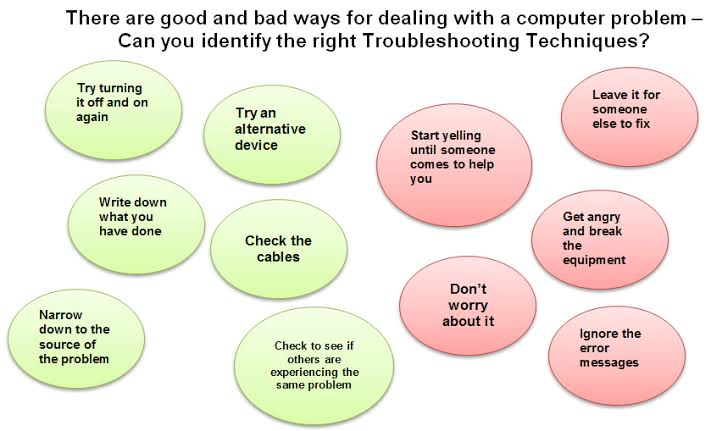
Computer Troubleshooting Tips are practical methods used to identify, diagnose, and solve common hardware and software issues. These techniques help users resolve everyday problems without requiring advanced technical knowledge.
For example, restarting a computer often fixes temporary software glitches, while clearing unnecessary files can improve system speed. Regular updates and maintenance also reduce the likelihood of recurring issues.
Why are Computer Troubleshooting Tips Important?
Learning Computer Troubleshooting Tips helps users solve problems quickly, reduce downtime, and protect important data. Basic troubleshooting skills improve computer performance while minimizing the need for professional repair services.
These practices also extend the lifespan of devices, improve productivity, and create a safer computing environment through regular software updates and security checks.
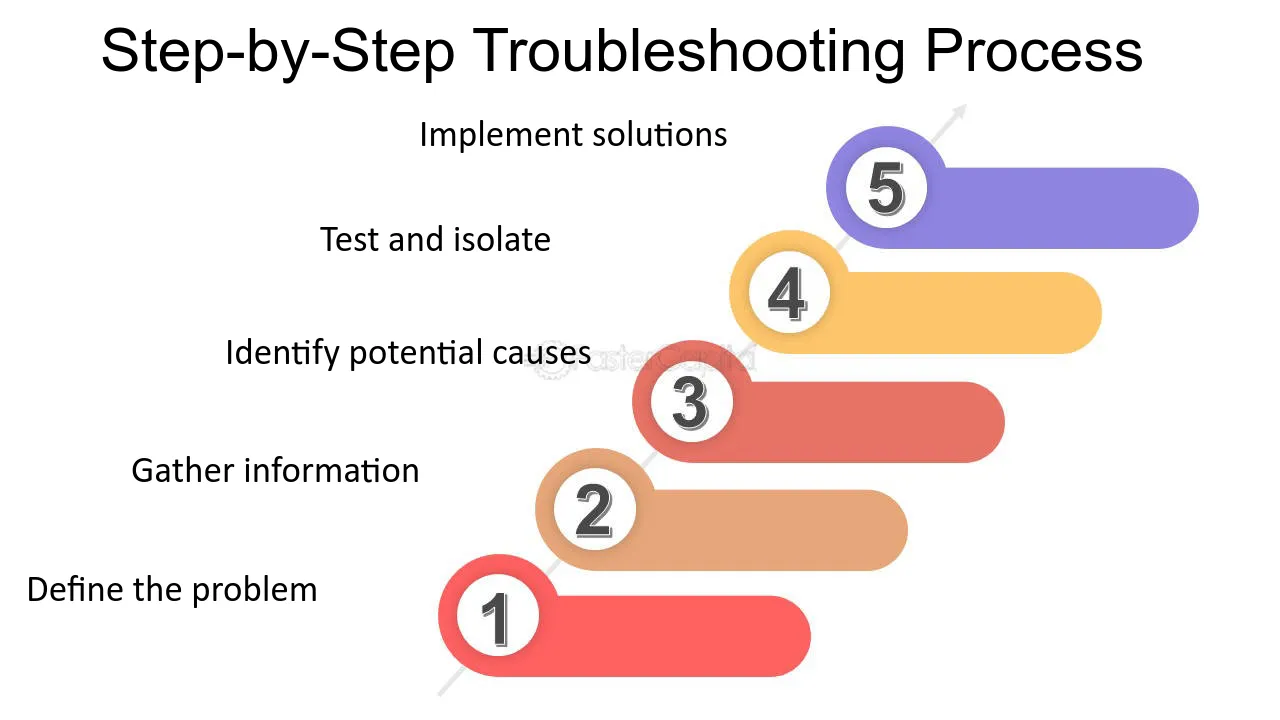
Step-by-Step Guide
1. Identify the Problem
Observe error messages, unusual sounds, or changes in performance before attempting a solution.
2. Restart Your Computer
Restarting clears temporary system errors and refreshes background processes that may cause problems.
3. Check Hardware Connections
Verify that cables, monitors, keyboards, and external devices are connected properly and functioning correctly.
4. Update Software
Install the latest operating system updates and driver updates to improve stability, compatibility, and security.
5. Free Up Disk Space
Delete unnecessary files, uninstall unused applications, and empty the recycle bin to improve performance.
6. Scan for Malware
Run trusted antivirus software to detect and remove malicious programs affecting your computer.
Benefits
Using these Computer Troubleshooting Tips offers several important advantages:
- Improves computer performance.
- Reduces unnecessary repair costs.
- Increases system reliability.
- Protects important files and data.
- Extends hardware lifespan.
- Improves productivity during daily tasks.
Risks or Disadvantages
Although troubleshooting is valuable, users should understand a few limitations:
- Incorrect settings may create additional issues.
- Hardware failures may require professional assistance.
- Some advanced problems need specialized diagnostic tools.
- Skipping data backups increases the risk of permanent file loss.
Common Mistakes to Avoid
Many users ignore software updates, allowing security vulnerabilities and bugs to remain unresolved. Another common mistake is installing applications from unknown sources, increasing the risk of malware infections. Running too many background programs can also reduce computer performance significantly.
Attempting hardware repairs without proper knowledge may damage sensitive components. Following these Computer Troubleshooting Tips carefully and backing up important files before making major system changes helps prevent unnecessary complications.
FAQs
Why is my computer running slowly?
Limited storage, outdated software, malware, or too many background applications are common causes.
Should I restart my computer regularly?
Yes. Restarting helps refresh system processes and often resolves temporary software issues.
How often should I update my computer?
Install operating system and software updates whenever they become available.
Can antivirus software improve computer performance?
It helps remove malware that may slow down your computer, improving stability and security.
When should I contact a technician?
Seek professional assistance for hardware failures, repeated crashes, or serious data recovery problems.
Expert Tips
Keep your computer clean by removing unnecessary files regularly and uninstalling applications you no longer use. Enable automatic updates to receive the latest security improvements without delay. Back up important documents frequently using external storage or secure cloud services. Monitor system performance and investigate unusual behavior immediately. Applying these Computer Troubleshooting Tips consistently will improve reliability, reduce technical issues, and help your computer perform efficiently for years.
Conclusion
Most everyday computer problems can be solved with simple troubleshooting techniques and regular maintenance. By identifying issues early, restarting your system, updating software, checking hardware connections, and protecting your computer from malware, you can maintain reliable performance without advanced technical skills. This Computer Troubleshooting Tips guide provides practical advice that beginners and intermediate users can follow with confidence. Make preventive maintenance part of your routine, monitor your computer regularly, and address small problems before they become serious to enjoy a faster, safer, and more dependable computing experience.