
Introduction
Cybersecurity Tips are essential for anyone who uses the internet, whether for work, education, shopping, or entertainment. As online threats continue to evolve, understanding how to protect personal information and digital devices has become more important than ever. Beginners and intermediate users can significantly reduce security risks by following simple best practices and developing safe online habits. This guide explains the fundamentals of online security, practical protection strategies, common mistakes to avoid, and expert advice that helps you browse the internet with greater confidence and peace of mind.
What is Cybersecurity Tips?
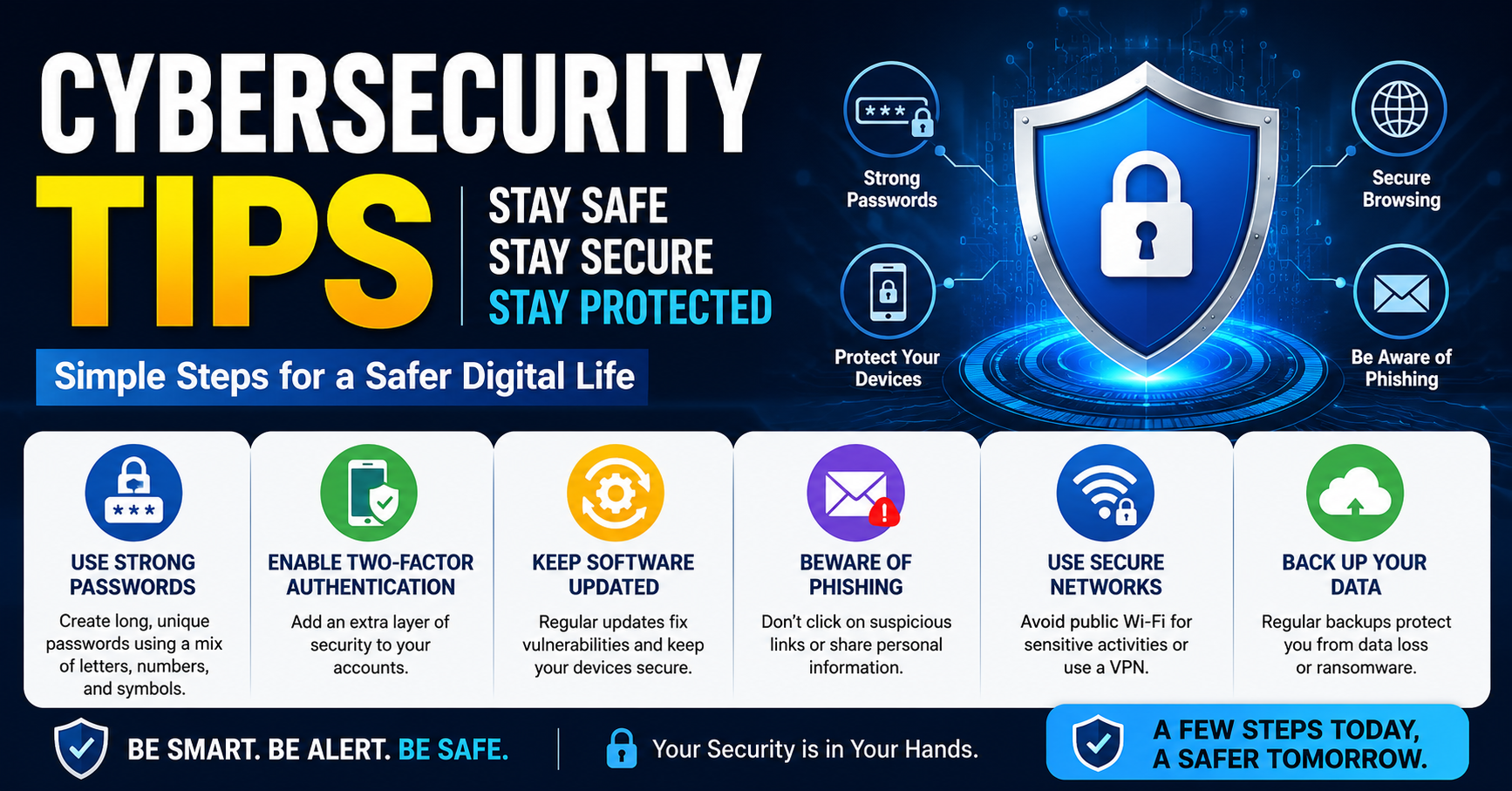
Cybersecurity Tips are practical recommendations that help individuals and organizations protect computers, smartphones, networks, and personal information from cyber threats. These tips include using strong passwords, enabling two-factor authentication, updating software regularly, and recognizing suspicious emails or websites.
Modern cybersecurity also focuses on protecting sensitive information from hackers, malware, phishing attacks, and identity theft. Following trusted Cybersecurity Tips helps reduce vulnerabilities and keeps digital activities safer in everyday life.
Why is Cybersecurity Tips Important?
Learning Cybersecurity Tips helps users prevent financial losses, data breaches, and unauthorized account access. Even simple habits can significantly improve online safety and reduce the chances of becoming a victim of cybercrime.
Businesses rely on strong security practices to protect customer information, while individuals use them to safeguard banking details, personal documents, and social media accounts. Staying informed also helps users respond quickly to emerging digital threats.
Step-by-Step Guide
1. Create Strong Passwords
Use unique passwords with letters, numbers, and symbols. Avoid using birthdays or common words.
2. Enable Two-Factor Authentication
Activate additional verification whenever available to strengthen account protection.
3. Update Software Regularly
Install operating system and application updates promptly because they often fix important security vulnerabilities.
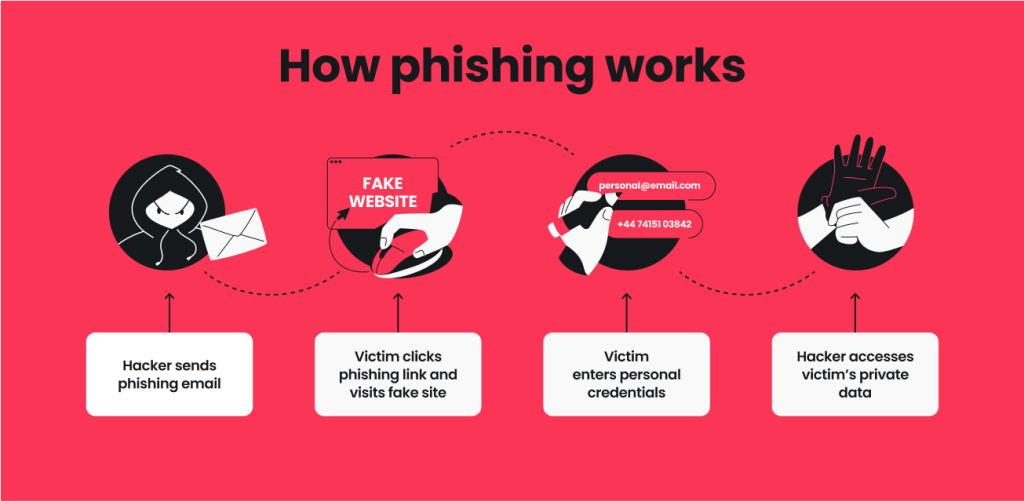
4. Watch for Phishing Attempts
Avoid clicking suspicious links or downloading unexpected attachments from unknown senders.
5. Back Up Important Data
Store copies of valuable files using secure backup methods to reduce the impact of device failures or cyberattacks.
Benefits
- Protects personal and financial information.
- Reduces the risk of identity theft.
- Improves online privacy and security.
- Prevents many common cyber threats.
- Increases confidence while using digital services.
- Supports safer remote work and online learning.
- Encourages responsible internet habits.
Risks or Disadvantages
- Strong security measures may require additional setup time.
- Multi-factor authentication can slightly increase login steps.
- Regular software updates may temporarily interrupt work.
- Security tools sometimes generate false alerts.
- Ignoring best practices increases exposure to cyber threats.
- Older devices may not support advanced security features.
Common Mistakes to Avoid
Many people reuse the same password across multiple accounts. If one account is compromised, others become vulnerable as well. Creating unique passwords for every service greatly improves protection.
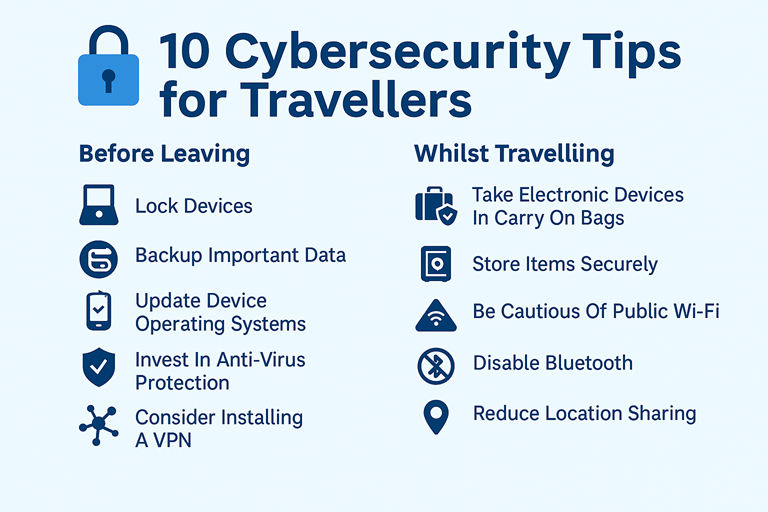
Another common mistake is ignoring software updates because they seem inconvenient. Delayed updates leave devices exposed to known vulnerabilities. Users should also avoid connecting to unsecured public Wi-Fi without proper protection and never share sensitive information through suspicious websites or unexpected messages.
FAQs
1. What are Cybersecurity Tips?
They are practical recommendations for protecting devices, accounts, and personal information from online threats.
2. Why are software updates important?
Updates fix security weaknesses and improve overall device protection.
3. What is phishing?
Phishing is a scam that tricks users into revealing sensitive information through fake emails, messages, or websites.
4. Should I use the same password everywhere?
No. Every account should have a unique, strong password for better security.
5. How often should I back up my files?
Regular backups, preferably weekly or monthly depending on usage, help protect important data.
Expert Tips
Review your account security settings every few months to ensure they remain up to date. Use a trusted password manager if remembering multiple passwords becomes difficult. Before installing new applications, verify their source and permissions carefully.
Monitor your financial accounts for unusual activity and respond immediately if suspicious transactions appear. Stay informed about common cyber threats, practice safe browsing habits, and encourage family members to follow the same security practices. Consistent attention to these habits provides stronger long-term digital protection.
Conclusion
Cybersecurity Tips provide a practical foundation for protecting your digital life from growing online threats. By creating strong passwords, enabling extra account protection, updating software regularly, and recognizing suspicious activity, users can greatly reduce security risks. Developing these habits requires only a small effort but delivers lasting benefits for personal privacy, financial safety, and overall confidence online. As technology continues to evolve, maintaining good cybersecurity practices and staying informed about emerging threats will help individuals and businesses enjoy a safer, more secure digital experience every day.