
Introduction
Smart Technology Innovations are transforming the way people live, work, and communicate. From intelligent home devices to connected healthcare systems and automated workplaces, these innovations improve convenience, efficiency, and productivity. As technology continues to evolve, understanding its impact becomes increasingly important for beginners and experienced users alike. Learning about new developments helps individuals make informed decisions, adapt to changing trends, and use modern solutions effectively. This guide explains the fundamentals, benefits, risks, and practical ways to explore Smart Technology Innovations with confidence and long-term success.
What is Smart Technology Innovations?
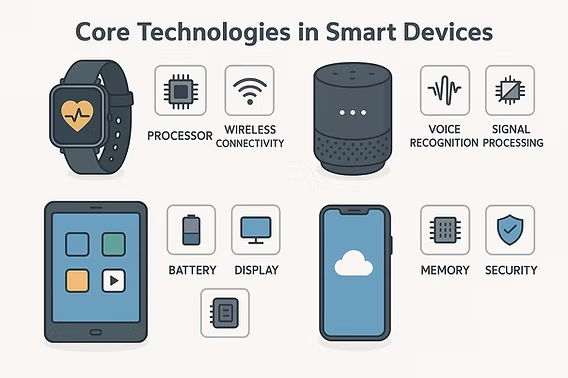
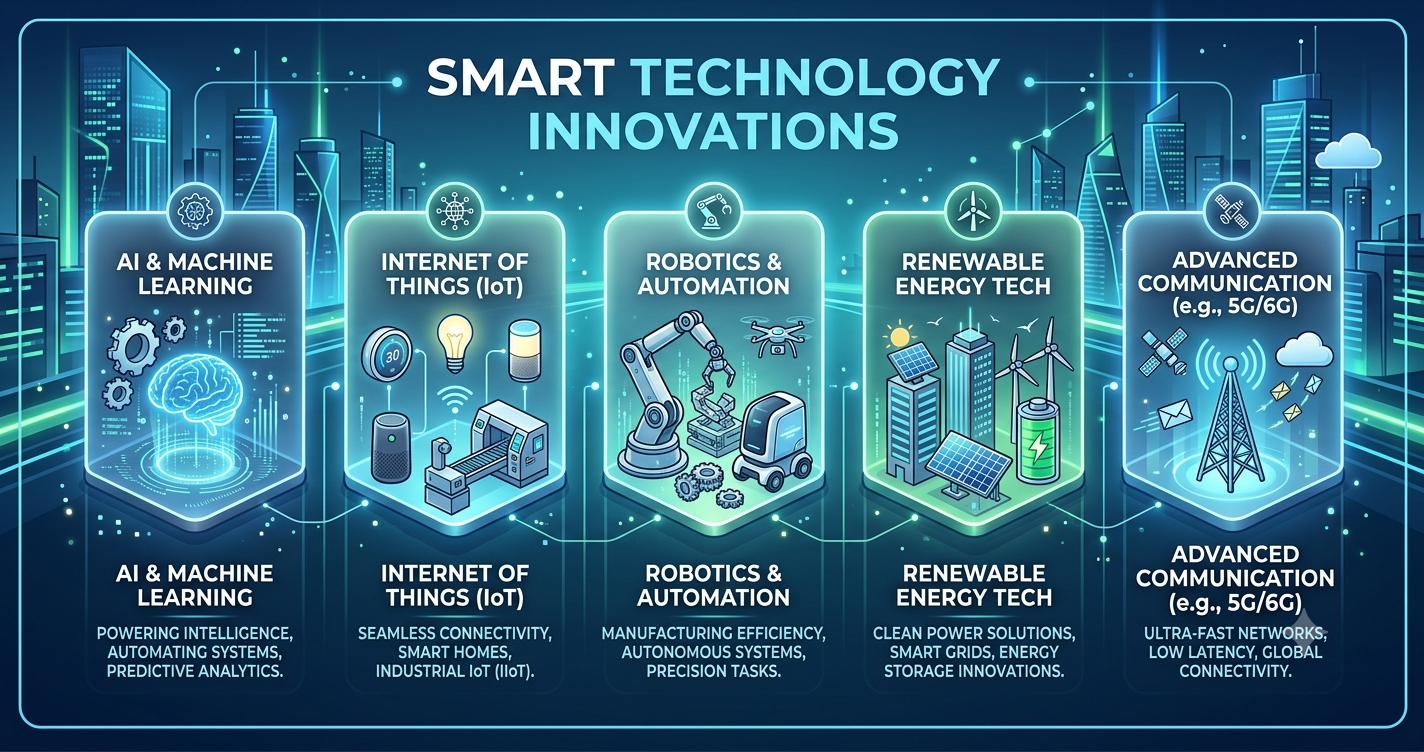
Smart Technology Innovations refer to modern technologies that improve everyday tasks by using connected devices, automation, sensors, and intelligent software. These innovations are designed to make systems more efficient, responsive, and user-friendly across different industries.
Examples include smart homes that automatically control lighting and temperature, wearable fitness devices that monitor health, connected vehicles with advanced safety features, and factories that use automation to improve production. Smart Technology Innovations continue to expand as digital transformation reaches more areas of daily life.
Why is Smart Technology Innovations Important?
Understanding Smart Technology Innovations helps individuals and businesses prepare for a more connected future. These technologies save time, reduce manual effort, improve decision-making, and enhance customer experiences.
Organizations use innovative solutions to increase productivity, lower operating costs, and improve service quality. Individuals benefit through greater convenience, better communication, improved healthcare, and smarter resource management. Staying informed also supports career growth in technology-driven industries.
Step-by-Step Guide
1. Learn the Basics
Start by understanding common technologies such as smart devices, cloud computing, automation, and connected systems.
2. Identify Everyday Applications
Explore how smart technology improves homes, schools, healthcare, transportation, and workplaces through practical examples.
3. Compare Available Solutions
Research different products and features before making purchasing or implementation decisions.
4. Prioritize Security
Protect devices with strong passwords, regular software updates, and trusted network connections.
5. Continue Learning
Follow industry developments and practice using new tools to build confidence and practical knowledge.
Benefits
- Improves efficiency in daily activities.
- Saves time through automation.
- Enhances communication and collaboration.
- Supports better healthcare monitoring.
- Reduces energy consumption in smart homes.
- Increases productivity for businesses.
- Encourages innovation across multiple industries.
Risks or Disadvantages
- High initial setup costs for some systems.
- Privacy concerns related to connected devices.
- Cybersecurity risks if protection is neglected.
- Dependence on reliable internet connectivity.
- Compatibility issues between different technologies.
- Frequent updates may require ongoing maintenance.
Common Mistakes to Avoid
Many beginners purchase devices without checking compatibility with existing systems. Choosing products that work together creates a smoother experience and reduces future problems.
Another mistake is ignoring security settings after installation. Weak passwords and outdated software increase the risk of cyber threats. Users should also avoid buying unnecessary features that do not match their actual needs. Finally, remember that technology should simplify life rather than complicate it, so prioritize practical value over marketing claims.
FAQs
1. What are Smart Technology Innovations?
They are modern digital solutions that improve efficiency through connected devices, automation, and intelligent systems.
2. Where are these technologies commonly used?
They are widely used in homes, healthcare, education, transportation, manufacturing, and businesses.
3. Are smart technologies expensive?
Costs vary, but many affordable options are available for beginners and small businesses.
4. How can I improve device security?
Use strong passwords, install updates regularly, and enable available security features.
5. Why should beginners learn about these innovations?
Understanding modern technology helps improve daily life, career opportunities, and informed decision-making.
Expert Tips
Begin with one or two smart devices before expanding your setup. Learn how each product works and ensure it meets your daily needs. Read product reviews, compare features carefully, and choose reliable brands known for regular updates and customer support.
Keep software updated and back up important data whenever possible. Focus on practical improvements instead of purchasing every new device. Building knowledge gradually helps you make better technology decisions while avoiding unnecessary expenses and security risks.
Conclusion
Smart Technology Innovations continue to reshape modern life by improving convenience, productivity, and efficiency across homes, businesses, healthcare, and education. Understanding these technologies enables beginners to make informed choices while preparing for future advancements. By selecting reliable solutions, maintaining strong security practices, and learning continuously, anyone can benefit from today’s connected world. As innovation progresses, staying informed and focusing on practical applications will help individuals and organizations adapt confidently, maximize value, and enjoy the long-term advantages of smarter technology in everyday life.