
Introduction
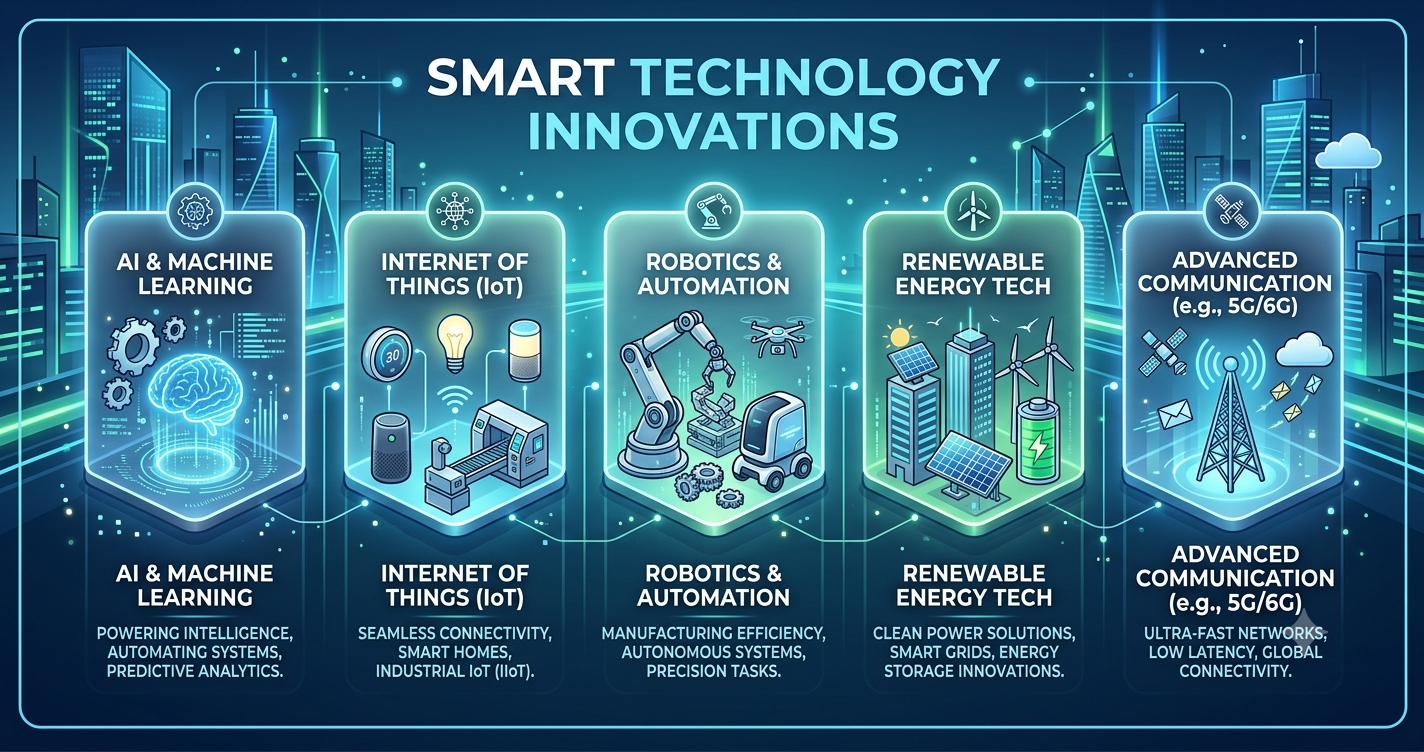
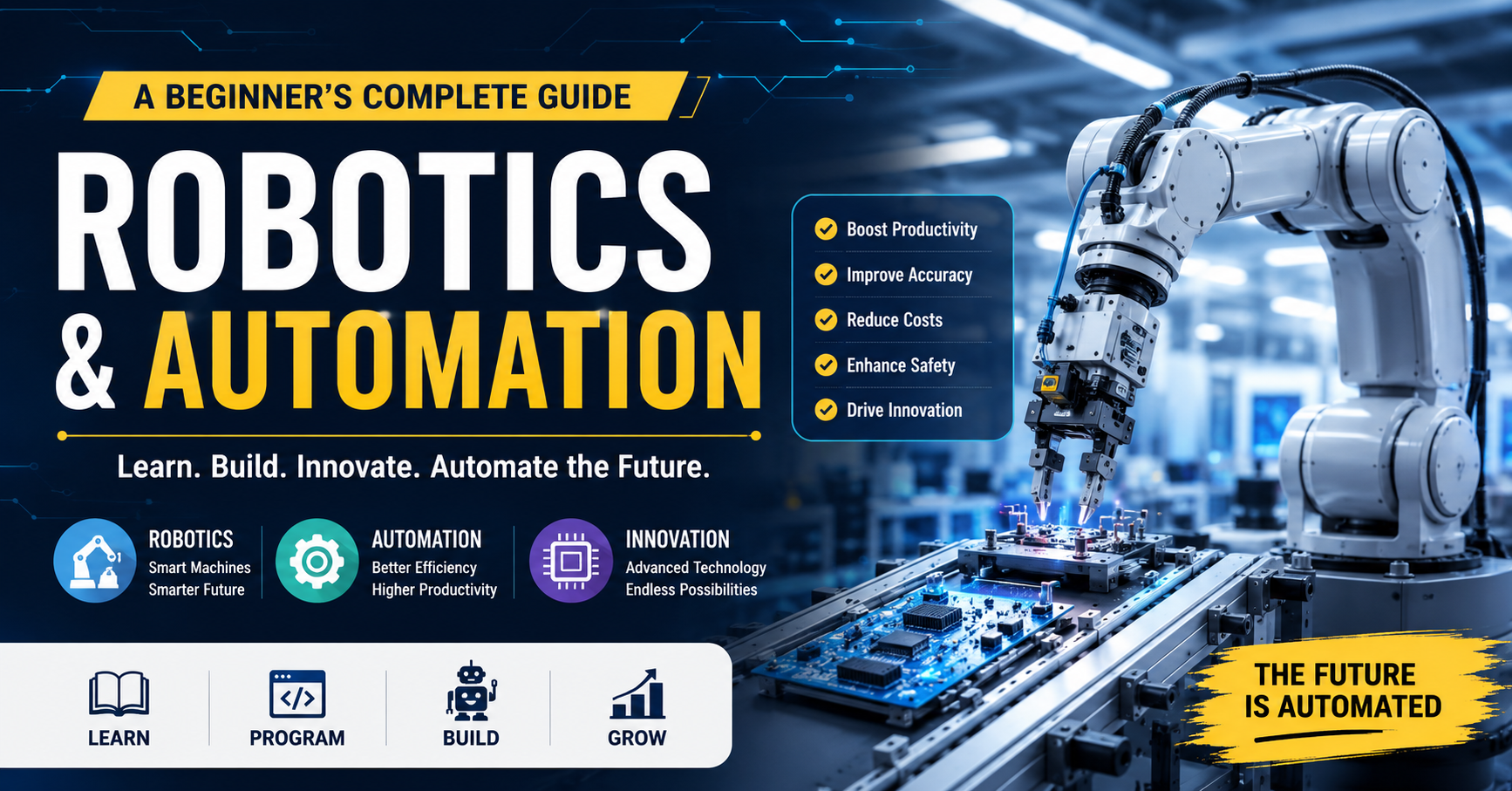
Robotics and Automation are transforming industries, workplaces, and daily life. From factory assembly lines to smart homes, these technologies improve efficiency, accuracy, and productivity. Beginners often find the subject exciting because it combines engineering, software, and practical problem-solving. Businesses of every size are investing in modern systems to save time and reduce repetitive work. Understanding the basics helps students, professionals, and technology enthusiasts prepare for future opportunities while developing valuable technical knowledge that remains relevant across many industries.
What is Robotics and Automation?
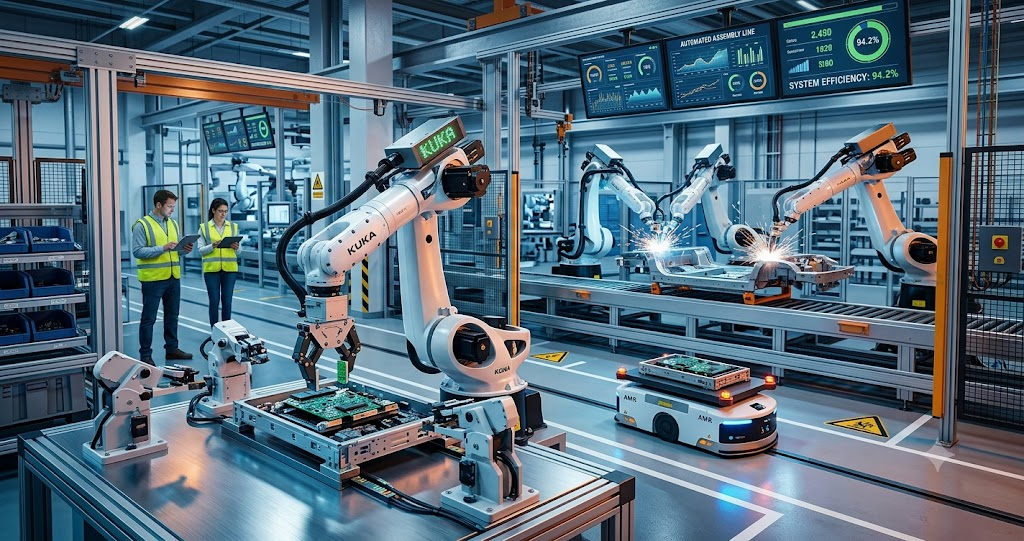
Robotics and Automation refer to the design, development, and use of machines and automated systems that perform tasks with minimal human intervention. Robots are physical machines programmed to complete specific activities, while automation focuses on creating processes that operate automatically. For example, robotic arms assemble cars, and automated software organizes business records. Together, they improve consistency, speed, and overall operational performance in different environments.
Why is Robotics and Automation Important?
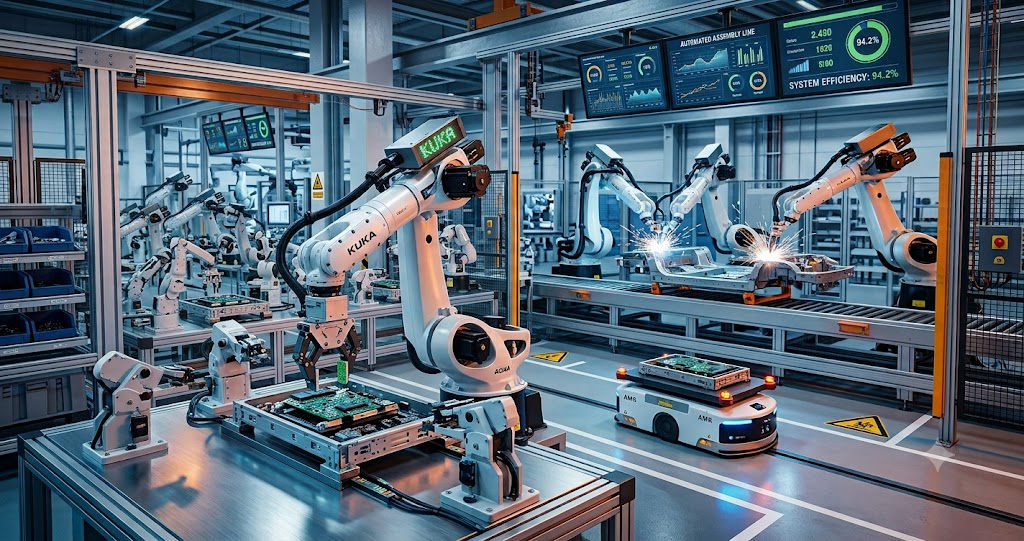
Modern organizations rely on Robotics and Automation to increase productivity while maintaining quality. These technologies reduce repetitive manual work, minimize errors, and allow employees to focus on creative or strategic responsibilities. Hospitals use robotic equipment during surgeries, warehouses automate inventory management, and farms employ smart machines for harvesting. As technology advances, demand for skilled professionals continues growing across manufacturing, healthcare, logistics, education, and many other sectors.
Step-by-Step Guide
Step 1: Learn the Basics
Study fundamental concepts such as mechanics, sensors, programming, and electrical systems. Build a strong foundation before exploring advanced topics.
Step 2: Choose Learning Resources
Use books, online courses, practical tutorials, and beginner-friendly projects. Learning through real examples strengthens understanding and confidence.
Step 3: Practice Programming
Learn languages like Python or C++ because many robotic systems rely on programming for movement, communication, and decision-making.
Step 4: Build Simple Projects
Create small robots using affordable kits. Hands-on experience develops practical skills and reinforces theoretical knowledge through experimentation.
Step 5: Keep Improving
Follow industry trends, join technology communities, and continue practicing. Regular learning helps you adapt to changing innovations and career opportunities.
Benefits
- Improves productivity by completing repetitive tasks efficiently.
- Reduces human error and increases consistent quality.
- Enhances workplace safety by handling dangerous activities.
- Saves time through faster operations and optimized workflows.
- Supports innovation across healthcare, manufacturing, agriculture, and logistics.
- Creates exciting career opportunities in growing technology industries.
Risks or Disadvantages
- High setup and maintenance costs for advanced systems.
- Some routine jobs may become automated over time.
- Technical failures can interrupt important operations.
- Cybersecurity risks increase when connected systems lack protection.
- Employees require regular training to use new technologies effectively.
Common Mistakes to Avoid
Many beginners rush into advanced projects without understanding the basics. Skipping programming practice, ignoring safety guidelines, and avoiding hands-on experiments can slow progress. Another common mistake is expecting immediate results instead of learning patiently. Choosing overly complex equipment at the beginning may also create frustration. Start with achievable goals, practice consistently, and gradually increase project difficulty as your confidence grows.
FAQs
What is the difference between robotics and automation?
Robotics focuses on physical machines, while automation includes systems that perform tasks automatically.
Is programming necessary?
Basic programming knowledge greatly improves understanding and project development.
Can beginners learn at home?
Yes, affordable kits, online courses, and simple projects make home learning possible.
Which industries use these technologies?
Manufacturing, healthcare, agriculture, logistics, education, and retail all benefit from advanced systems.
Are robotics careers growing?
Yes, demand continues increasing as more organizations adopt modern technologies.
Expert Tips
Focus on learning one concept at a time instead of rushing through multiple subjects. Practice regularly with small projects because experience builds confidence. Stay updated with industry developments and explore different applications to broaden your knowledge. Develop problem-solving skills alongside technical abilities, since successful professionals combine creativity with logical thinking. Most importantly, remain curious and continue learning because technology evolves rapidly, creating fresh opportunities every year.
Conclusion
Robotics and Automation continue reshaping industries by improving productivity, safety, and efficiency. Learning these technologies does not require advanced experience, only curiosity, consistent practice, and a willingness to solve problems. Starting with basic concepts, building simple projects, and gradually expanding your skills creates a strong foundation for future success. Whether your goal is personal learning, career advancement, or business innovation, understanding Robotics and Automation today can open exciting possibilities and prepare you for tomorrow’s technology-driven world.