
Introduction
Online Privacy Protection has become a necessity in today’s digital world. Every time you browse websites, use social media, shop online, or access banking services, your personal information can be collected and stored. Understanding how to protect your privacy helps reduce the risk of identity theft, data misuse, and cyber threats. Whether you are a beginner or an intermediate internet user, learning the right privacy practices can improve your online safety. This guide explains the basics, practical strategies, and expert recommendations for protecting your digital information effectively.
What is Online Privacy Protection?
Online Privacy Protection refers to the methods and practices used to keep personal information secure while using the internet. It includes protecting sensitive data such as passwords, financial details, email addresses, browsing history, and personal documents from unauthorized access.
Examples include using strong passwords, enabling two-factor authentication, adjusting privacy settings, avoiding suspicious websites, and keeping software updated. Following Online Privacy Protection practices helps users maintain greater control over their digital identity and personal information.
Why is Online Privacy Protection Important?
Learning Online Privacy Protection is important because cybercriminals constantly search for opportunities to steal valuable information. Good privacy habits reduce the risk of identity theft, financial fraud, and unauthorized access to personal accounts.
Businesses also depend on strong privacy practices to protect customer information and maintain trust. For individuals, protecting personal data creates a safer online experience while supporting secure communication, online shopping, and digital banking.
Step-by-Step Guide
1. Create Strong Passwords
Use unique passwords that combine uppercase letters, lowercase letters, numbers, and special characters. Avoid personal information that others can easily guess.
2. Enable Two-Factor Authentication
Add an extra verification step to your important accounts for better security against unauthorized access.
3. Review Privacy Settings
Check the privacy options on social media platforms, browsers, and online services to control what information is shared.
4. Keep Software Updated
Install operating system and application updates regularly to fix security weaknesses and improve protection.
5. Browse Carefully
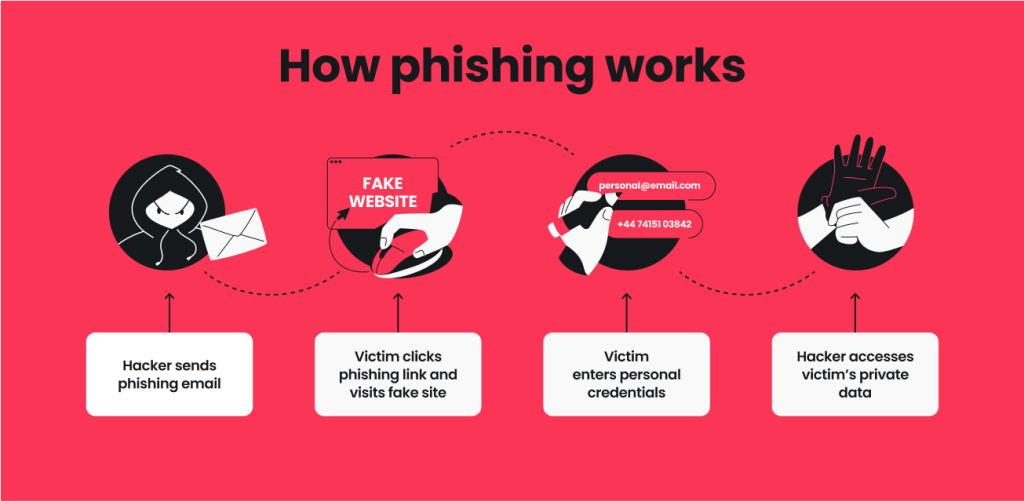
Visit trusted websites, avoid suspicious downloads, and never click unknown links received through emails or messages.
Benefits
- Protects personal and financial information.
- Reduces the risk of identity theft.
- Improves online security and confidence.
- Helps prevent unauthorized account access.
- Supports safe online shopping and banking.
- Protects sensitive business information.
- Encourages responsible internet usage.
Risks or Disadvantages
- Strong privacy settings may reduce personalized online experiences.
- Additional security steps can require extra time during login.
- Some privacy tools may have subscription costs.
- Older devices may not support advanced security features.
- Ignoring updates increases vulnerability to cyber threats.
- Sharing excessive personal information weakens privacy.
Common Mistakes to Avoid
Many users reuse the same password across multiple accounts, making it easier for attackers to access several services if one password is compromised. Creating unique passwords for every account significantly improves security.
Another common mistake is accepting default privacy settings without reviewing them. Many online platforms collect more information than necessary unless users adjust their preferences. Avoid oversharing personal details on public platforms and always verify website authenticity before entering sensitive information.
FAQs
1. What is Online Privacy Protection?
It includes practices that protect personal information and digital accounts from unauthorized access.
2. Why are privacy settings important?
They help control who can view, collect, and use your personal information.
3. How often should passwords be updated?
Changing passwords regularly, especially after security incidents, improves protection.
4. Is two-factor authentication necessary?
Yes. It provides an additional layer of account security beyond passwords.
5. How can I browse more safely?
Use trusted websites, keep software updated, and avoid suspicious links or downloads.
Expert Tips

Review your online accounts every few months and remove services you no longer use. Limit the personal information shared publicly and regularly check account activity for unusual behavior. Consider using a password manager to securely organize complex passwords.
Always connect through secure networks when handling sensitive information. Learn to recognize phishing attempts and verify requests before sharing confidential details. Developing consistent privacy habits provides stronger long-term protection than relying on a single security tool.
Conclusion
Online Privacy Protection plays a vital role in keeping personal information secure in an increasingly connected world. By using strong passwords, enabling additional account protection, reviewing privacy settings, and practicing safe browsing habits, users can significantly reduce digital risks. Building these habits requires minimal effort but provides lasting protection for personal data, financial information, and online accounts. As technology continues to evolve, staying informed and following reliable privacy practices will help individuals confidently enjoy the benefits of the internet while maintaining greater control over their digital lives.